
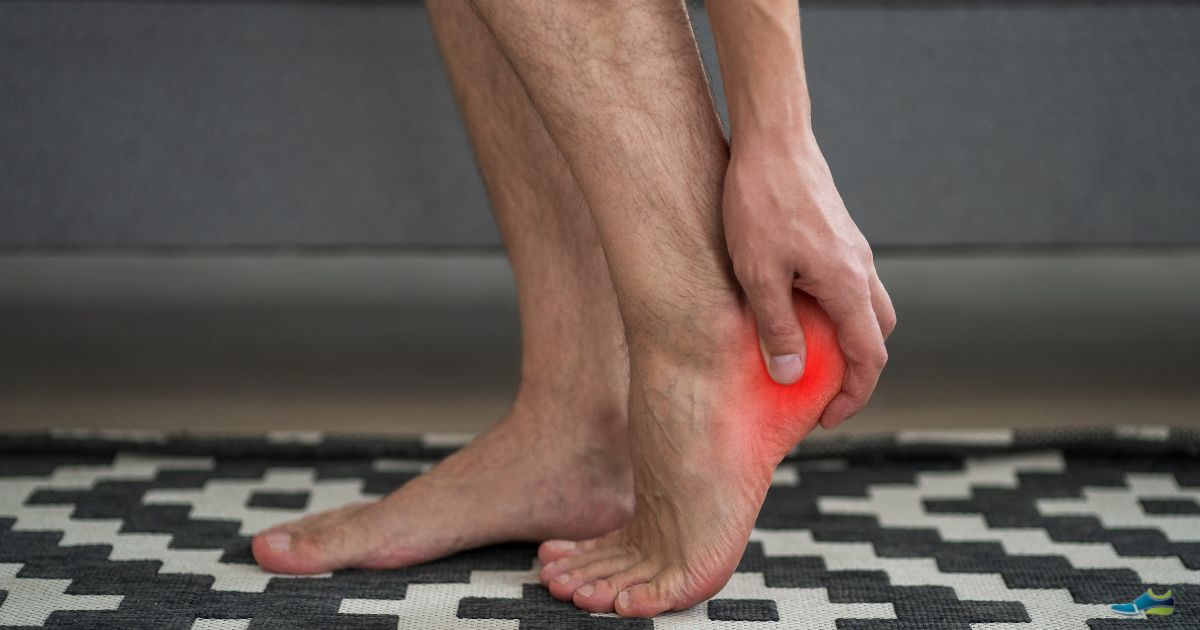
Are heel spurs painful? Not always. Many people have heel spurs without feeling a thing, while others develop heel pain when tissues around the heel, particularly the plantar fascia, become irritated. The bony spur itself is often not the actual source of the pain.
Heel spurs are small bony growths that form around the heel bone, often after long-term stress on the foot. When pain does occur, it can feel sharp or aching and may be particularly noticeable with the first few steps after resting.
Heel spurs and plantar fasciitis often appear together — one irritates the other. If your pain feels worst first thing in the morning, check out our How to Get Relief from Plantar Fasciitis for fast, practical ways to ease that ache.
I’ll be upfront — heel spurs aren’t one I’ve personally dealt with, unlike a fair few of the other things I write about here. But joints under strain, tissue irritation, and finding footwear that actually helps rather than makes things worse — that’s territory I know intimately from my own arthritis and joint replacements. The mechanics are different, but the underlying question is the same one I ask about my own feet constantly: is this shoe supporting the area that’s struggling, or adding to the problem? So this one’s built on solid research rather than lived experience with heel spurs specifically — honest, practical, and no false claims either way.
Affiliate disclosure: This article contains affiliate links. If you buy something through one of these links, I may earn a small commission at no extra cost to you.
📌 At a Glance
Here’s everything I know about heel spurs — what they actually are, what causes the pain, and what genuinely helps.
If you’d rather skip straight to specific questions, jump to the Q&A below.
What Are Heel Spurs?
Visually, when a specialized diagnostic image reveals a small, protrusion-style calcium deposit emerging along the lower boundary of the calcaneus, this localized bone adaptation is highly consistent with a heel spur development. Skin and deep fascial tissues resting over these bony variations frequently present with intense localized tenderness, sharp morning step discomfort, or deep, dull aching. While long-term mechanical stress across the rearfoot assembly is a primary factor, these structural shifts frequently share traits with structural arch flattening or the natural thinning of the heel’s protective fat pad layers.
They’re usually discovered on X-rays and can vary in size from a few millimetres to more than a centimetre. Despite their sharp appearance, spurs themselves aren’t always the direct cause of pain.
For a wider look at all causes of heel and foot pain — and what really works for long-term comfort — head over to The Complete Guide to Foot Pain Relief
What Causes Heel Spurs?
- Poor Footwear: Tight or unsupportive shoes increase heel stress.
- Foot structure: Flat feet or very high arches can change the way pressure is distributed through the foot. If low or fallen arches are part of the problem, see our Flat Feet and Fallen Arches Overview.
- Mechanical Variables: Repetitive straining along the plantar fascia boundary can cause micro-tears over time. In my experience with joint strain, these deep structural tension changes are highly consistent with repetitive physical impacts, prolonged weight-bearing, or chronic tissue overload.
- Excess Body Weight: Adds pressure on heel and plantar fascia.
- Aging: Thinner heel fat pads reduce natural cushioning.
Are Heel Spurs Painful in Themselves?
The spur alone isn’t typically painful. In fact, many people discover they have heel spurs completely by accident during imaging for another condition.
Pain develops when:
- The plantar fascia becomes inflamed (plantar fasciitis).
- Surrounding tissues are irritated by ongoing stress or tension.
- There is chronic overuse or poor footwear.
This explains why some people with large heel spurs feel no symptoms at all, while others with smaller spurs experience sharp, stabbing heel pain — especially with their first steps in the morning.
Common Symptoms Linked to Heel Spurs
The most telling symptom is sharp heel pain, especially with those first few steps after resting — though tenderness when pressing on the heel, discomfort after standing for long periods, and a burning or aching sensation are all common too. Pain that eases slightly with movement but worsens again afterward is a particularly recognisable pattern.
Treatment and Relief Options
At-home care
- Rest your feet and avoid aggravating activities.
- Ice the heel for 10–15 minutes to reduce inflammation.
- Wear supportive, cushioned footwear.
- Use orthotic insoles to reduce stress on the plantar fascia.
- Gentle calf and foot stretches to relieve tension.
Professional care
- In severe cases, steroid injections or surgery may be considered (though surgery is rare).
- A podiatrist may recommend custom orthotics.
- Physical therapy can strengthen and stretch supporting muscles.
What I’d Actually Look For
If cushioned footwear alone isn’t quite enough, a gel heel cup slips inside your existing shoes and adds targeted shock absorption right where you need it. Welnove’s gel heel protector cups are a genuinely well-reviewed, affordable option worth starting with.
Check Welnove gel heel cups on Amazon
Sizing Guidance: Because inserting an aftermarket gel cup lifts your heel profile and reduces internal space, always check the manufacturer’s physical structural dimension charts and volume metrics before ordering to ensure the shoe shape safely handles your unique fit requirements.
Why the Right Shoes Matter
The right footwear can make the difference between daily discomfort and manageable relief. It’s the same principle I rely on for my own feet, even though the specific condition is different — supportive structure and proper cushioning aren’t optional extras, they’re doing real work to reduce strain wherever a joint or tissue is already under pressure. For heel spurs, look for:
- Cushioned midsoles to absorb impact.
- Firm heel counters to stabilise the rearfoot.
- Supportive arch design to reduce strain on the plantar fascia.
- Wide fit options to prevent pressure on sore spots.
If heel pain is linked to a heel spur or irritated surrounding tissues, supportive footwear may help reduce some of the stress on the area. Shoes aren’t the whole answer, but getting the cushioning, support and fit right can make everyday walking more comfortable.
Prevention Tips
- Replace worn-out shoes promptly.
- Avoid high heels or flat, unsupportive footwear.
- Maintain a healthy weight to reduce strain.
- Warm up and stretch before exercise.
- Listen to your feet — rest when soreness begins.
20 Questions on Heel Spurs
Q: Are heel spurs painful?
A: Not always. Many are painless, but when surrounding tissues become irritated, sharp heel pain can occur — especially with the first few steps after resting.
Q: Do heel spurs always cause heel pain?
A: No. Some people with large spurs have no symptoms, while others with smaller spurs feel significant pain.
Q: How are heel spurs diagnosed?
A: Usually with an X-ray, often when investigating plantar fasciitis or another cause of heel pain.
Q: Can heel spurs go away on their own?
A: No, the bony growth usually remains, but symptoms can often be managed with appropriate treatment and footwear.
Q: What’s the difference between heel spurs and plantar fasciitis?
A: Plantar fasciitis involves irritation and degeneration of the plantar fascia, while a heel spur is a bony growth. The two can occur together, but they’re not the same thing.
Q: What type of shoes help heel spurs?
A: Supportive shoes with good cushioning, firm heel support and appropriate arch support can help reduce stress around the heel. A comfortable fit is important too.
Q: Are orthotics useful for heel spurs?
A: They can be. Supportive insoles or orthotics may help redistribute pressure and reduce strain, particularly when foot mechanics are contributing to heel pain.
Q: Do heel spurs need surgery?
A: Rarely. Surgery is generally only considered when persistent symptoms haven’t responded to appropriate non-surgical treatments.
Q: Can heel spurs get worse if untreated?
A: The size of the spur doesn’t necessarily determine the amount of pain. However, ongoing irritation of the surrounding tissues can cause persistent or worsening symptoms.
Q: Do heel spurs affect both feet?
A: They can. Heel spurs may occur in one or both feet, particularly when the same mechanical or repetitive stresses affect both sides.
Q: Can weight gain contribute to heel spurs?
A: Extra body weight can increase the load placed on the feet and heels and may contribute to the stresses associated with heel spur formation.
Q: Are heel spurs common in athletes?
A: They can occur in athletes, particularly where running, jumping or other repetitive activities place repeated stress on the heel and plantar fascia.
Q: How long does recovery take?
A: It varies. Heel pain may improve over weeks or months with appropriate care, even though the bony spur itself remains.
Q: Are heel cups or pads effective?
A: Cushioned heel cups or pads may help some people by providing extra cushioning and reducing pressure around a painful heel.
Q: Do children get heel spurs?
A: Heel spurs are much more commonly associated with adults. Heel pain in children can have other causes and should be assessed appropriately if it persists.
Q: Can stretching exercises help?
A: Calf and plantar fascia stretches may help reduce tension around the heel, particularly when plantar fascia problems are contributing to the pain.
Q: Are flip-flops bad for heel spurs?
A: Very flat, unsupportive flip-flops may aggravate heel pain for some people. A sandal with cushioning and suitable support may be more comfortable.
Q: Does icing help heel spur pain?
A: Applying a wrapped cold pack to a painful heel for short periods may temporarily ease pain and irritation in the surrounding tissues.
Q: Can heel spur pain return after treatment?
A: Yes. The spur itself usually remains, and symptoms can return if the tissues around the heel become irritated again.
Q: When should I see a doctor?
A: Seek medical advice if heel pain is severe, persistent, worsening, follows an injury, or isn’t improving with sensible self-care and footwear changes.
Summary
Heel spurs aren’t always the villains they’re made out to be. The bony growth itself isn’t usually painful — it’s the tissue irritation around it that causes discomfort. With the right shoes, stretches, and self-care, most people can manage symptoms, stay active, and keep moving comfortably without needing surgery.
Medical Disclaimer: The footwear technical parameters, structural heel cup suggestions, and conservative soft-tissue management metrics compiled in this guide are provided strictly for general informational and educational purposes. They do not constitute personalized professional medical advice, clinical diagnosis, or distinct orthopedic treatment plans. Persistent sharp rearfoot pain, chronic heel cord stiffness, or sudden structural alignment changes require direct evaluation by a qualified GP, podiatrist, or orthopedic specialist.