
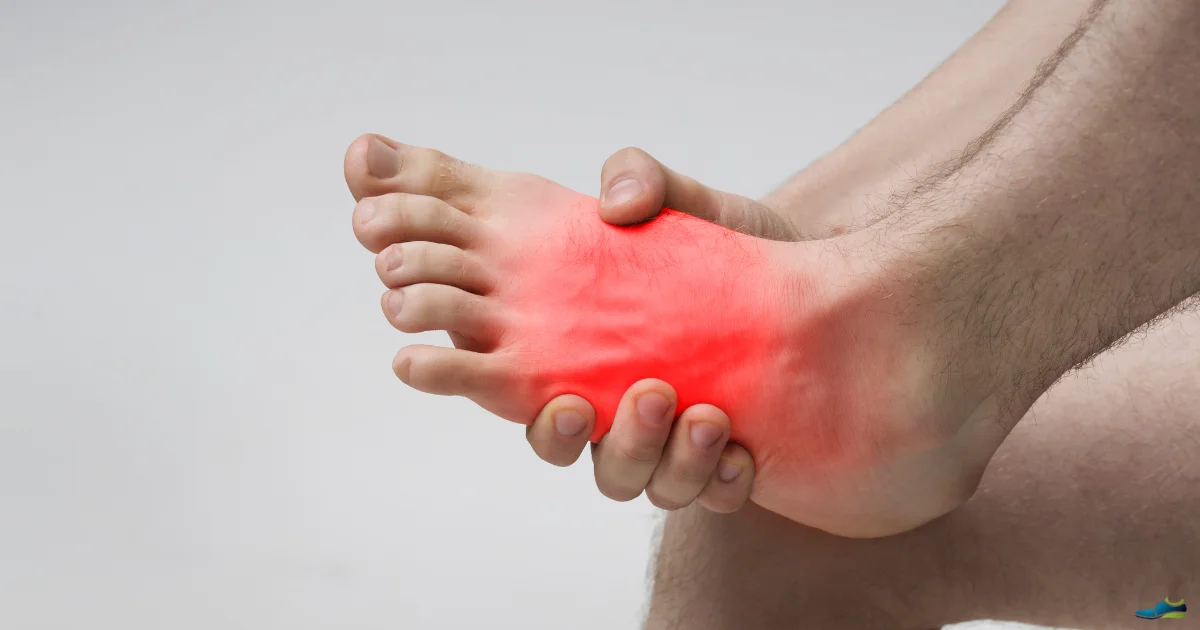
Foot pain doesn’t just slow you down — it spoils your mood, your mobility, and sometimes even your sleep.
Whether it’s that first stab when you step out of bed or a dull throb after a long day, sore feet can make everything harder.
The good news is that many common causes of foot pain can be improved with the right footwear, simple daily habits and appropriate treatment, you can reclaim comfort and confidence with every step.
Whether your pain is in your heel, arch, toes, ball of the foot or ankle, this guide will help you understand the likely cause and where to find more detailed advice.
📌 At a Glance
Here’s a practical overview of foot pain — the common causes, what actually helps, and where to go for more detail on your specific issue.
Jump straight to our Frequently Asked Questions for quick answers to the most common concerns.
1) Understanding Foot Pain
Your feet are mechanical marvels — 26 bones, 30 joints, and more than 100 muscles, tendons, and ligaments working together every time you move.
With each step, they absorb forces of 1.5 – 3× your body weight, so even small imbalances can trigger discomfort.
Pain shows up in different zones depending on what’s irritated:
- Heel pain – often plantar fasciitis, heel spurs, or fat-pad thinning
- Arch pain – strain from flat feet or collapsed arches
- Ball of foot pain – metatarsal overload or Morton’s neuroma
- Toe pain/deformities – bunions, hammer toes, corns
- Ankle/midfoot pain – arthritis, tendon strain, old injuries
Relief comes from three key principles:
Reduce pressure, improve alignment, and pace your activity.
Supportive shoes, cushioning, and gentle mobility work can transform daily comfort.
2) Common Causes — and What to Do Next
Use this quick guide to jump to condition-specific help:
- Plantar fasciitis: Start with stretches, load management, and supportive shoes.
→ How to Get Relief from Plantar Fasciitis - Heel spurs: The spur itself isn’t always painful — it’s the inflamed tissue.
→ Are Heel Spurs Painful? - Bunions: Wide toe boxes and stable soles help.
→ Bunion on the Foot — The Truth Nobody’s Telling You - Hammer toes: Stretch uppers and deeper shoes stop rubbing.
→ The Best Shoes for Hammer Toes - Morton’s neuroma: Use met pads and cushioned soles.
→ Best Shoes for Morton’s Neuroma - Flat feet / fallen arches: Arch support and stability are key.
→ The Causes and Symptoms of Flat Feet - Arthritis: Cushioning + rocker soles + firm heel support help.
→ Foot Arthritis Symptoms - Gout: Manage flares and wear roomy shoes.
→ Fast Pain Relief From Gout - Blisters, corns, calluses: They’re pressure maps — fix friction first.
→ Blisters on Feet - Diabetic neuropathy: Protect, cushion, and check feet daily.
→ Diabetic Neuropathy & Footwear - Oedema: Adjustable, extra-depth shoes + elevation.
→ What Causes Oedema in Feet? - Fungal issues: Keep shoes breathable and treat early.
→ Fungal Nail Treatments - Foot Bursitis: Learn about Foot Bursitis Pain and how to soothe it.
Foot Bursitis – Symptoms, Causes and Treatment - Corns: Another common source of pressure pain, particularly where shoes rub against the toes. Our guide to corns on feet explains what causes them and how footwear can help.
- Athlete’s Foot: see my Athlete’s Foot Guide
3) Shoes That Actually Help Foot Pain
Your shoes can either cause the problem or cure it. I’ve learned over the years that even a small improvement in shoe fit can make the difference between looking forward to a walk and dreading it.
The goal is to reduce pressure, absorb impact, and stabilise alignment.
Look for these features:
- Wide toe box: No pinching or crowding.
- Cushioned midsole: Softens heel and forefoot impact.
- Firm heel counter: Prevents excess inward roll.
- Moderate heel drop (6–10 mm): Helps ease heel and Achilles strain.
- Rocker sole: Great for arthritis and forefoot pain.
- Removable insole: Makes room for orthotics or pads.
If you’re unsure where to start, check out:
→ Best Wide Fit Shoes for Comfort
→ The Best Insoles for Flat Feet
→ The Best Shoes for Arch Support
4) At-Home Treatments That Really Work
Consistency beats intensity. These daily habits can make a huge difference:
- Skin & nail care: Keep nails neat and calluses smoothed (never scalped).
- Footwear first: Prioritise cushioning, width, and support over looks.
- Insoles & pads: Spread pressure evenly, especially under the ball of the foot.
- Stretch what’s tight: Calf and arch stretches work wonders.
- Ice & heat: Ice reduces inflammation; gentle warmth eases stiffness.
- Friction control: Moisture-wicking socks + anti-friction balm = blister protection.
- Load management: Take micro-breaks, rotate shoes, and build up walking gradually.
If your toes rub or feel squeezed, consider using a Shoe Toe Box Stretcher for instant relief.
Professional Care
Sometimes, self-care and good footwear aren’t quite enough — and that’s when professional help can make all the difference.
Podiatrist assessment: A podiatrist can analyse your gait, identify pressure points, and recommend orthotics tailored to your foot mechanics.
Physiotherapy: Targeted strengthening and mobility programmes help correct imbalances and improve joint function.
Medication: Anti-inflammatories or cortisone injections may be used to ease arthritis flare-ups or severe inflammation.
Surgery: Reserved only for advanced cases — such as rigid bunions, severe hammer toes, or end-stage arthritis — where conservative care no longer provides relief.
The good news? Most people never reach the surgical stage. With the right shoes, smart self-care, and occasional professional input, foot pain can usually be managed effectively so you can stay active and comfortable.
5) When to See a Doctor or Podiatrist
Don’t wait if you notice:
- Red, swollen, or hot joints (possible gout or infection)
- Numbness or tingling (may indicate neuropathy)
- Stiff or deformed toes that won’t straighten
- Pain that lasts beyond a few weeks of home care
A podiatrist can assess biomechanics and prescribe custom orthotics.
Your GP may suggest imaging or physiotherapy for persistent cases.
6) Prevention & Everyday Foot Care
Keeping feet pain-free is a lifestyle habit, not just luck.
These small daily tweaks pay off long term:
- Rotate footwear daily so interiors dry fully
- Choose moisture-wicking socks for comfort and hygiene
- Match shoes to your needs — rocker soles, firm heels, or arch support
- Keep mobility — stretch calves, strengthen arches
- Adjust for seasons — swelling and sock thickness vary
- Maintain healthy weight and stay active
When pain flares, scale back activity briefly, reset your footwear, and rebuild gradually.
Your feet can recover — they just need consistency and care.
✅ Where to Learn More
If you’d like medically verified, expert information about foot pain and joint health, these trusted sources are a great place to start:
- NHS — Foot Pain and Common Foot Problems: An excellent overview of symptoms, causes, and when to seek help.
- Versus Arthritis — Foot and Ankle Pain: Practical guidance on living with arthritis-related foot pain, including treatment options and exercises.
FAQs
What is the most common cause of foot pain?
Plantar fasciitis is one of the most common causes of foot pain, particularly heel pain. However, arthritis, bunions, flat feet, Morton’s neuroma and poorly fitting shoes are also frequent causes. Identifying where the pain occurs is often the first step towards finding the right treatment.
Can the wrong shoes cause foot pain?
Yes. Shoes that are too narrow, lack cushioning or fail to support your feet properly can place excessive pressure on joints, muscles and ligaments. Choosing footwear that fits correctly is one of the simplest ways to improve everyday comfort.
When should I see a doctor about foot pain?
You should seek medical advice if foot pain is severe, follows an injury, causes significant swelling, redness or warmth, or lasts more than a few weeks despite self-care. People with diabetes should seek advice promptly if they notice new foot problems.
Does walking help foot pain?
It depends on the cause. Gentle walking may help stiffness and improve circulation, but continuing to walk through severe pain can make some conditions worse. Supportive footwear and gradually increasing activity usually give the best results.
Can losing weight help reduce foot pain?
Yes. Every step places significant force through your feet, so reducing body weight can lower pressure on joints, ligaments and soft tissues. Even modest weight loss may improve comfort for some people.
Are wide fit shoes better for painful feet?
Many people find wide fit shoes more comfortable because they reduce pressure on the toes and forefoot. They can be particularly helpful for bunions, hammer toes, swelling and arthritis, although the correct fit is just as important as the width.
Can insoles help foot pain?
Supportive insoles may improve comfort by redistributing pressure, supporting the arch and improving foot alignment. The most suitable insole depends on the underlying cause of your pain.
Can foot pain go away on its own?
Minor aches caused by overuse often improve with rest, supportive footwear and reducing pressure on the affected area. Persistent or worsening pain should be assessed by a healthcare professional.
Before You Go
Foot pain doesn’t have to control your day — and you’re already taking the right step by learning how to manage it.
The key is consistency: wear supportive shoes, pace your activity, and listen to what your feet are telling you.
When problems flare, dip back into the guides linked throughout this post — each one is packed with focused advice on the exact condition you’re dealing with.
Healthy, pain-free feet aren’t about perfection — they’re about awareness, small adjustments, and the right footwear choices.
Stay curious, stay kind to your feet, and remember — comfort is never a luxury; it’s the foundation for everything you do.
Medical Disclaimer: This article is for general information only and is not a substitute for professional medical advice. Foot pain can have many different causes, and the most suitable treatment depends on the underlying problem. If you experience persistent or worsening pain, unexplained swelling, numbness or signs of infection, seek advice from your GP or a registered podiatrist. Seek urgent medical advice for sudden severe symptoms or a hot, red, swollen foot, particularly if you have diabetes.
About Sue Holland
Sue writes WiderFittingShoes.com from first-hand experience of finding footwear for wide and difficult-to-fit feet. After two hip replacements, two ankle replacements and years of dealing with arthritis, swelling and feet that don’t always behave the same from one day to the next, she shares the practical things she’s learned about shoe fit, width and comfort.