
The best wide-fit shoes for comfort provide enough width and depth for your foot shape, a roomy toe box, a soft or flexible upper and a cushioned, supportive footbed. Adjustable laces or straps help secure the heel without squeezing the forefoot, while a stable sole keeps each step comfortable. The width label alone isn’t enough—the shoe’s shape must also match your foot.
What I’ve Actually Learned From Buying These Myself
My feet have always been on the wider side, and they’ve only got wider as the years have gone on. I also have flat feet with almost no arch at all, which is a big part of why standard shoes never worked for me — they hurt specifically underneath where an arch should be. It’s worth knowing this because it’s a genuinely common trap: some “wide fit” shoes only add extra room at the toe box, without addressing the rest of the foot at all. If your discomfort is more about the arch than the toes, width alone won’t fix it.
My first real success was Gabor Comfort — German-designed, like Waldläufer, and the first brand that actually got things right for me. After my first ankle replacement, I moved on to Ganter shoes for a while, and if I’m honest, they’re better made and built to last even longer than Waldläufer. The trouble is sourcing them now. Since the UK left the EU, Ganter has become genuinely difficult to get hold of in the size and style I need — Amazon only stocks a limited range. My last pair had to be ordered from Germany and sent to a friend over there, who then posted them on to me, since direct postage to the UK simply isn’t available for what I needed. It’s a proper faff, which is largely why I’ve settled back into Waldläufer as my everyday go-to — genuinely excellent, and far easier to actually get hold of.
These days, my own preference is for ankle boots specifically — they give me the extra support around the ankle that a low shoe simply can’t, which matters a great deal given everything my ankles have been through.
Affiliate disclosure: This article contains affiliate links. If you buy something through one of these links, I may earn a small commission at no extra cost to you.
Curious why nearly every brand that’s worked for me turns out to be German? I’ve written more about that pattern, and the one British exception, in Why My Trusted Shoe Brands Are (Almost) All German.
Where I’d Actually Start Looking
Based on my own experience, both of these are genuinely worth trying first:
Waldläufer is my everyday go-to — I wear the H-Lana constantly, and it’s the brand I always come back to.
Check Waldläufer wide fit shoes on Amazon
Gabor Comfort was my first real success story with wide fit shoes, and their range genuinely holds up — particularly if, like me, you find flat feet with almost no arch mean standard shoes hurt in exactly the wrong place.
Check Gabor Comfort wide fit shoes on Amazon
Not sure of your width? Measure your forefoot circumference and try my free foot-width calculator before you start shopping.
If you’re still learning what makes a shoe truly “wide fit,” our Wide Fit Shoes Guide breaks down sizing, shape, and fit so you can find genuine comfort before you even start shopping.
You Know Your Width—What Should You Look for Next?
Once you have an approximate width, the next step is finding a shoe that suits the rest of your foot shape. Two shoes carrying the same width label can fit very differently because width codes are not completely standardised between brands. The shape of the toe box, depth over the toes and instep, heel width and overall internal volume all affect comfort.
If your calculator result suggests a wider fitting, use it as a starting point rather than treating the letter as a guarantee. Check whether the manufacturer provides actual measurements, and look for reviews from people describing feet similar to yours. My shoe-width guide explains why D, E, EE and other width labels can mean different things across UK, European and US brands.
Width also isn’t the same as depth. A shoe may be wide enough across the ball but still press against hammer toes, swelling or the top of an orthotic. If that sounds familiar, look for a deeper toe box, removable insoles and adjustable fastenings rather than automatically choosing a longer shoe.
Think about when and where you’ll wear the shoes too. A soft everyday shoe, a supportive walking shoe and footwear for long periods of standing have different jobs to do. The best choice is the one that combines sufficient space with enough heel hold and stability for the activity.
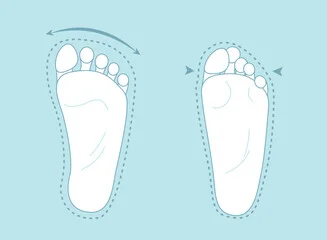
What Makes a Wide-Fit Shoe Comfortable?
A wide fitting label on its own does not automatically guarantee everyday comfort.
If you remove your footwear at the end of a long day and notice prominent skin redness over your outer toes, localized tissue swelling around the ball of your foot, or deep pressure ridges across your skin, these physical signs point directly toward a common issue like severe metatarsal broadness, dynamic joint friction, or chronic lower limb fluid pooling (oedema).
A truly successful fit requires a thoughtful fitting routine. A suitable shoe structure should give your forefoot and digits enough room to relax naturally without allowing your heel to slip out, cradling your foot securely so you aren’t forcing your sensitive skin to suffer.
In my experience managing chronic arthritic joint changes and post-surgical foot alignments, cramming a broad foot profile into a standard, narrow high-street layout will inevitably force your feet to pay a painful price by evening.
While choosing shoes with a highly flexible, stretchy knit upper can offer wonderful immediate cushioning over tender joints, selecting footwear engineered from the ground up on a broad, anatomically shaped sole remains the ultimate secret to encouraging natural gait mechanics, locking your rearfoot safely into the heel counter, and safeguarding your skin from painful pinch-points and restrictive seam rubbing.
- A foot-shaped toe box: Your toes should have room to sit naturally rather than being pushed together.
- Enough depth: This is especially important for swelling, hammer toes or feet raised inside the shoe by an orthotic.
- Adjustable fastening: Laces, straps or touch fastenings help accommodate changes in swelling and secure a narrower heel.
- A removable insole: This creates more room and makes it easier to use prescribed or supportive orthotics.
- A stable sole: Cushioning is useful, but the shoe should also feel secure and appropriate for the activity.
- A forgiving upper: Soft leather, stretch panels or flexible mesh can reduce pressure over sensitive areas.
Sue’s experience: I have wide, flat feet, chronic swelling and wear orthotics. I’ve learned that a shoe can be wide enough across the forefoot but still be too shallow over the toes once an orthotic lifts the foot. That’s why I look at width, depth and adjustability rather than trusting the width label alone.
If you’re uncertain whether width is the main problem, my Do You Need Wide-Fit Shoes? guide covers the common warning signs. There is also separate advice on choosing comfortable shoes after foot surgery.
Wide-Fit Shoe Brands Worth Knowing
No single brand is best for every wide foot. Some offer several genuine width fittings, while others provide only a wider version of selected styles. The letters also change meaning between manufacturers, so compare the brand’s own width guide rather than assuming that an E or EE will fit identically everywhere.
| Brand | Width choices | Worth considering for | Watch out for |
|---|---|---|---|
| Waldläufer | German G, H, K and M fittings | Multiple width choices, adjustable styles and footwear that may accommodate orthotics | Availability and features vary by model; check whether the footbed is removable |
| Hotter | Standard, wide and extra-wide options on selected styles | Everyday shoes, boots and sandals, including styles offering additional room | Not every style comes in every fitting, and “dual fit” depends on removable insole layers |
| Clarks | Standard, wide and extra-wide options on selected UK styles | Accessible everyday, work and smarter footwear with shops available for trying on | The available width choices differ considerably between individual models |
| New Balance | Women’s widths include B, D and 2E; men’s include D, 2E, 4E and selected 6E | Trainers and walking footwear where a choice of defined widths is important | These width letters follow the brand’s US-style system, not a universal UK conversion |
Sue’s view: Waldläufer, Ganter, Gabor and Clarks are among the brands I tend to look at because I have wide, flat feet and wear orthotics. Even then, I judge each shoe individually. My Waldläufer H-Lana shoes work for me, but another style from the same brand could have a different toe shape, depth or heel fit.
Sizing Guidance: Because built-in support contours, leather stiffness scales, and internal depth measurements vary significantly between different manufacturing houses, always verify your measurements against the brand’s physical width specification tables before ordering to ensure the style safely accommodates your unique volume changes.
The most useful shortlist is therefore based on your particular need—not simply the brand name. Someone needing extra forefoot width may choose differently from someone needing more depth for swelling or room for an orthotic.
How to Shop for Wide-Fit Shoes Without Guessing
Whether you shop online or in a store, start with your larger foot and the socks or orthotics you expect to wear. Try shoes later in the day if your feet tend to swell, and don’t judge the fit after only a few seconds.
- Check the exact fitting: Don’t rely on the words “wide fit” alone. Look for the width code and the manufacturer’s own size information.
- Look at the fastening: Laces and adjustable straps generally offer more control than a fixed slip-on, particularly if your feet swell or your heel is narrower than your forefoot.
- Check the insole: If you wear orthotics, confirm that the original footbed can be removed and that the shoe remains deep enough once your orthotic is inserted.
- Read the least favourable reviews: Look for repeated comments about a narrow toe box, shallow fit, slipping heel or sizing inconsistency rather than relying only on the average star rating.
- Check the returns policy: This is particularly important when trying a new brand or fitting for the first time.
- Test them indoors: Walk on a clean surface and check for pressure, rubbing, heel movement and toe contact before deciding to keep them.
A new shoe shouldn’t need to be painfully “broken in” before it becomes wearable. Natural materials may soften slightly, but they cannot correct the wrong width, insufficient depth or an unsuitable toe-box shape.
Sue’s tip: Try shoes with the socks you’ll normally wear, as even a small change in thickness can affect the fit. If socks regularly make your shoes feel cramped, see my guide to thin socks for wide feet.
Frequently Asked Questions
How should a wide-fit shoe feel?
Your toes should have room to sit naturally, and the sides of the shoe shouldn’t pinch or leave pressure marks. Your heel should remain reasonably secure when walking, and your foot shouldn’t slide from side to side. Check the fit after standing and walking for several minutes, not just while sitting down.
Is a wide shoe the same as a deep shoe?
No. Width describes the space across the foot, while depth is the vertical room inside the shoe. People with swelling, hammer toes, a high instep or orthotics may need additional depth as well as width.
Should I buy a larger shoe size to get more width?
Usually not. A longer shoe may create excess space in front of the toes and allow the heel to slip without solving the real fitting problem. It is generally better to keep the appropriate length and look for a wider or deeper fitting.
What if I have a wide forefoot but a narrow heel?
Look for a roomy or foot-shaped toe box combined with an adjustable fastening. Laces or straps can help hold the heel more securely without squeezing the front of the foot. Shoes with stretch panels around sensitive forefoot areas may also help.
Do width labels mean the same thing in every brand?
No. Width letters and descriptions vary between UK, European and US sizing systems, and the shape can differ between styles from the same manufacturer. Use width labels as a starting point and check the individual brand’s fitting information.
Medical Disclaimer: The footwear technical width parameters, sizing charts, alternative fitting metrics, and conservative volume management habits compiled across this guide are provided strictly for general informational and educational purposes. They do not substitute for personalized professional medical advice, clinical diagnosis, or distinct orthopedic care routines. Persistent deep joint pain, a sudden unexpected shape change, localized skin warmth, or progressive loss of foot sensation require immediate direct professional evaluation and assessment by your qualified GP or a registered podiatrist.
Finding well-fitting shoes can be a real challenge, especially for those of us with wider feet who also deal with foot conditions like bunions or plantar fasciitis. I’m curious how the listed shoes compare in terms of long-term durability. Do certain brands hold their shape better over time, especially in the toe box area? Also, how important is the material (like mesh vs. leather) when it comes to balancing comfort and support in wider shoes? It is helpful to know if any of these models are recommended by podiatrists or come with orthopedic insoles by default.
Hello and thank you for your interest. As you say, finding the correct fitting shoes has it’s challenges but there certain brands that specialise in wider fitting shoes in a variety of widths, materials and insoles.
The brands that I have found the best (for comfort, style, orthotic friendly) have generally got a good height toe box but I would say that the softer leather shoes don’t hold their shape as well as formal shoes would. This is one of the disadvantages, however, I personally have had to accept that where comfort is of the utmost importance, style has had to take a bit of a back seat.
Most of the brands have orthopedic insoles and many of them are removable to accommodate bespoke orthotics and there are an increasing number of shoes that are recommended by Podiatrists and / or orthopedic surgeons.