
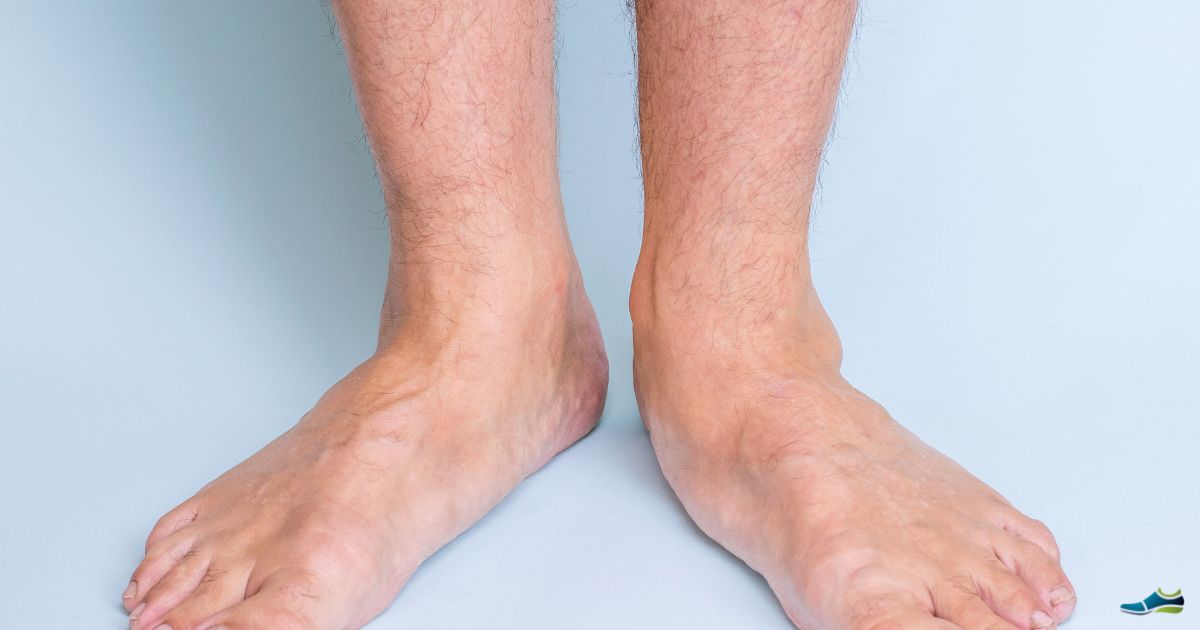
The best shoes for flat feet have a stable sole, a secure heel fit, good cushioning and arch support that feels comfortable rather than forcing the foot into an unnatural position. Supportive walking shoes and trainers are often good choices, particularly when they have removable insoles so you can use your own orthotics if needed. The correct fit matters too, as flat feet may spread and require additional width across the forefoot.
I’ve had flat feet most of my life — genuinely, if there were a UK championship for it, I’d be bringing home the trophy — alongside everything else my joints have put me through. So I’ve done more than my fair share of trial and error with shoes that promised the world and delivered blisters. What I’ve learned is less exciting than any advert claims: it’s rarely one magic feature, it’s the combination of fit, support and just giving your feet a chance to sit properly.
For a closer look at how wide-fit footwear can improve comfort, see our complete wide fit shoes guide
Affiliate disclosure: This article contains affiliate links. If you buy something through one of these links, I may earn a small commission at no extra cost to you.
The Ideal Shoe Type for Flat Feet
There isn’t one type of shoe that’s best for everyone with flat feet. If your flat feet aren’t causing any problems, you may not need special footwear at all. If they are uncomfortable, the aim is to find shoes that feel supportive, fit securely and give your feet enough room.
For walking, running or other active use, a well-fitting trainer can be a good option because many styles combine cushioning with a stable sole and secure fastening. Don’t get too distracted by manufacturers’ technical claims — comfort, fit and how stable the shoe feels on your foot matter more.
For everyday shoes, look for a secure fit, enough room across the forefoot and a sole that feels comfortable and stable when you walk. If you already know that a particular amount of cushioning or arch support suits you, that’s a useful starting point when comparing new shoes.
The upper matters too. Mesh and other flexible materials can accommodate the shape of your foot more easily than a very stiff upper. Soft leather can also be comfortable, provided the shoe has enough width and depth to begin with.
If you use orthotics or supportive insoles, look for shoes with enough room to accommodate them comfortably. Removable original insoles can be particularly useful because taking them out creates more space for your own insert. If you’ve been prescribed orthotics, follow the footwear advice you’ve been given by your podiatrist or orthotist.
Overall, the best shoes for flat feet are the ones that fit properly, feel comfortable and provide the amount of support that suits you. Your everyday activities matter too — what works for a long walk may be different from what you want for work or casual wear.
If you’re specifically looking for more support under the arch, have a look at my guide to arch support shoes.
If your feet tend to swell during the day, try shoes on when they’re at their larger size — often later in the day. That gives you a better idea of whether the shoes will still feel comfortable after you’ve been on your feet for several hours.
Formal or dress shoes can be trickier because many styles have narrower toe boxes or less cushioning than trainers and walking shoes. Look for enough room across the forefoot, a secure fit and a heel height that feels comfortable and stable. A soft or flexible upper can also be useful, but don’t rely on a shoe stretching enough to correct a poor fit.
What I’d Actually Look For
If you’d like to try an over-the-counter insole designed for flat feet, one option is Dr. Scholl’s Stability Support Insoles. The manufacturer describes them as designed for flat feet, low arches and overpronation, with additional arch support and a stabilising shell.
Check Dr. Scholl’s Stability Support Insoles on Amazon
Fit tip: An insole takes up room inside the shoe. If the original insole is removable, take it out before fitting the replacement rather than simply stacking one on top of the other. Make sure your toes still have enough width and depth once the new insole is in place.
Why Shoe Selection Matters for Flat Feet
If your flat feet cause discomfort, the shoes you wear can make a noticeable difference to how comfortable you feel when walking or standing. A well-fitting shoe can provide cushioning and support, while a poor fit may leave your feet feeling sore or tired.
There’s no single combination of cushioning, stability or arch support that’s right for everyone with flat feet. Some people prefer a firmer, more supportive shoe, while others are more comfortable with softer cushioning. The important thing is that the shoe fits properly, feels stable and doesn’t force your foot into an uncomfortable position.
So Have You Got Flat Feet?
Having low or flat arches is common, and for many people they don’t cause any problems at all.
If you have flat feet, you may notice that the arch on the inside of your foot is low or disappears when you stand. But looking at your feet isn’t always enough to explain pain or changes in their shape. If one or both arches have recently become flatter, particularly if the change is painful or only affects one foot, it’s worth getting professional advice.
Some people naturally have flat feet from childhood, while others develop flatter arches later in life. Ageing, injury, being overweight and some conditions affecting the joints, muscles or nerves can all play a part.
In my own case, arthritis, joint problems and changes in the way I’ve walked after surgery have made shoe comfort and support particularly important. I’ve learned from experience that very flimsy shoes generally don’t suit me, especially if I’m going to be on my feet for a long time.
Flat feet don’t necessarily cause pain or need treatment. When symptoms do occur, they’re more commonly felt around the feet or ankles, although some people may also notice discomfort further up the leg. If you’re having persistent pain, particularly if you’re not sure it’s related to your feet, it’s better to get it assessed rather than assume flat feet are the cause.
Finding the right amount of support can involve some trial and error. More arch support isn’t automatically better, and a shoe that feels comfortable and supportive to one person may feel completely wrong to another. Comfort, fit and stability are more useful guides than choosing a shoe simply because it’s labelled for flat feet.
Have a read of my Best Wide Fit Shoes for Comfort article
Does Arch Support Help With Flat Feet?
Arch support sparks plenty of debate when it comes to flat feet. Some people swear by it, while others think they can do without. So what’s the best thing?
Arch support can make shoes more comfortable for some people with flat feet, particularly if their flat feet are causing symptoms. Support can come from the shoe itself or from an insole or orthotic, but that doesn’t mean everyone with flat feet needs it.
Not everyone finds the same amount or type of support comfortable. Some people dislike a firm arch pressing underneath the foot and prefer more cushioning, while others feel more comfortable with additional support. This is one area where your own comfort really matters.
If flat feet are causing persistent pain or affecting your walking, a podiatrist or physiotherapist can assess what’s happening and advise whether insoles, orthotics, exercises or different footwear might be appropriate for you.
For wider options that reduce pressure on your arches, explore our Wide Fit Shoes Guide
Sources and further reading
Medical disclaimer: This article is for general information and isn’t a substitute for medical advice. If you have persistent foot pain, new or worsening symptoms, or you’re unsure what type of footwear is suitable for you, speak to your GP, podiatrist or physiotherapist.
About Sue Holland
Sue writes WiderFittingShoes.com from first-hand experience of finding footwear for wide and difficult-to-fit feet. After two hip replacements, two ankle replacements and years of dealing with arthritis, swelling and feet that don’t always behave the same from one day to the next, she shares the practical things she’s learned about shoe fit, width and comfort.