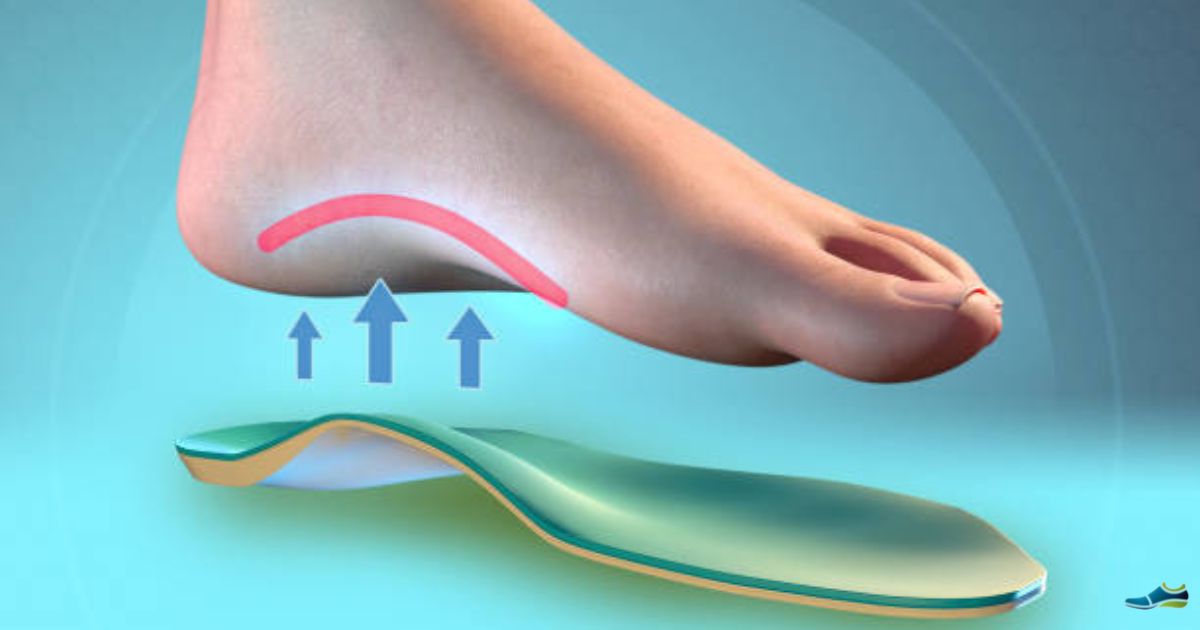
The best shoes for arch support have a contoured footbed that feels comfortable under your arch, along with a stable sole, secure heel fit and enough cushioning for comfort. Trainers, walking shoes, supportive boots and some sandals can all work well, provided the support suits your particular arch shape. Removable insoles are also useful if you need to fit your own orthotics.
If you also need extra room across the foot, my Wide Fit Shoes Guide explains what to look for when choosing wider-fitting footwear.
Given my flat feet have already been crowned the worst in the UK (self-appointed, but I’m confident I’d place), arch support isn’t optional reading for me — it’s daily life. I’ve worn everything from flimsy gel inserts that did nothing to rigid orthotics that felt like standing on a plank, and somewhere in between is where most people actually find comfort. So take the brand suggestions below with that in mind: they’re not just names I’ve read about, they’re the kind of support I genuinely look for myself.
Affiliate disclosure: This article contains affiliate links. If you buy something through one of these links, I may earn a small commission at no extra cost to you.
Shoes With Built-In Arch Support
Let’s look at some genuinely well-made shoes with proper built-in arch support.
Built-in arch support varies enormously between shoes. Some have a noticeably contoured footbed, while others provide fairly gentle support that you may barely notice. More pronounced support isn’t automatically better — what matters is whether the shape of the footbed feels comfortable under your own arch.
Brooks, FitVille and Vionic all offer styles designed with support and stability in mind, but don’t choose by brand name alone. Different models within the same brand can feel very different, so check the features of the individual shoe and, where possible, try it on before deciding whether the arch support suits you.
Customisable Arch Support: Incorporating Removable Insoles and Orthotics
Sometimes, even the best shoes need a little help. That’s where removable insoles come in handy, providing customizable arch support. When shoes have inserts you can take out, it opens up a world of possibilities for tailoring your comfort. You can swap out those insoles for orthotics that suit your specific needs.
Read how to choose shoes for orthotics
Removable insoles are particularly useful if you wear prescription or shop-bought orthotics. You can take out the shoe’s original insole and replace it with your own insert, provided there’s enough room for it without making the shoe too tight.
If you’re buying an over-the-counter insole, think about what feels comfortable for you and whether it will fit properly inside your shoes. If you’ve been prescribed orthotics, use the type recommended for you and choose footwear with enough room to accommodate them.
Read more about insoles and orthotics
Do You Always Need Arch Support?
Not everyone needs noticeable arch support in their shoes. If your feet are comfortable and you’re not having problems, there’s no reason to assume that a flatter footbed is automatically harmful.
If you do find arch support more comfortable, the amount and shape that suits you can vary considerably. Some people prefer a firmer, more contoured footbed, while others are happier with gentler support or cushioning. The important thing is that the shoe fits properly and the support feels comfortable rather than pressing painfully into your arch.
What feels comfortable may also depend on what you’re doing. The shoes you prefer for a long walk or a day spent standing may be different from those you wear around the house or for a short trip out. Rather than looking for one particular level of arch support for every activity, concentrate on how the whole shoe fits and feels.
For Further reading about finding the right footwear, here is a complete Guide for Wide Fit Shoes
Frequently Asked Questions
Q: What is the main benefit of built-in arch support in shoes?
A: Built-in arch support can make shoes feel more comfortable and supportive for some people. The amount and shape of support that feels best varies from person to person, so more arch support isn’t necessarily better.
Q: Can I add my own orthotics if the shoe already has built-in support?
A: Yes, if the shoes have removable insoles, you can usually replace them with custom or over-the-counter orthotics, provided there’s enough room for the orthotic without making the shoe too tight.
Q: How do I know if I need arch support in my shoes?
A: You don’t necessarily need special arch support simply because you have flat feet or high arches. If a particular level of support feels comfortable, that’s a useful guide. If you’re experiencing persistent foot pain or you’re unsure what type of support is suitable, speak to a podiatrist or physiotherapist.
Q: Are shoes with arch support only for athletic use?
A: No. Arch support is available in many types of footwear, including trainers, walking shoes, boots, sandals and some everyday or work shoes.
Q: Is it bad to wear shoes without arch support?
A: Not necessarily. Many people are comfortable in shoes without noticeable arch support and don’t need special supportive footwear. If you do find that your feet are more comfortable with additional support, choose a level that feels right for you rather than assuming that more support is always better.
Medical disclaimer: This article is for general information and isn’t a substitute for medical advice. If you have persistent foot pain, new or worsening symptoms, or you’re unsure what type of footwear or support is suitable for you, speak to your GP, podiatrist or physiotherapist.
About Sue Holland
Sue writes WiderFittingShoes.com from first-hand experience of finding footwear for wide and difficult-to-fit feet. After two hip replacements, two ankle replacements and years of dealing with arthritis, swelling and feet that don’t always behave the same from one day to the next, she shares the practical things she’s learned about shoe fit, width and comfort.