
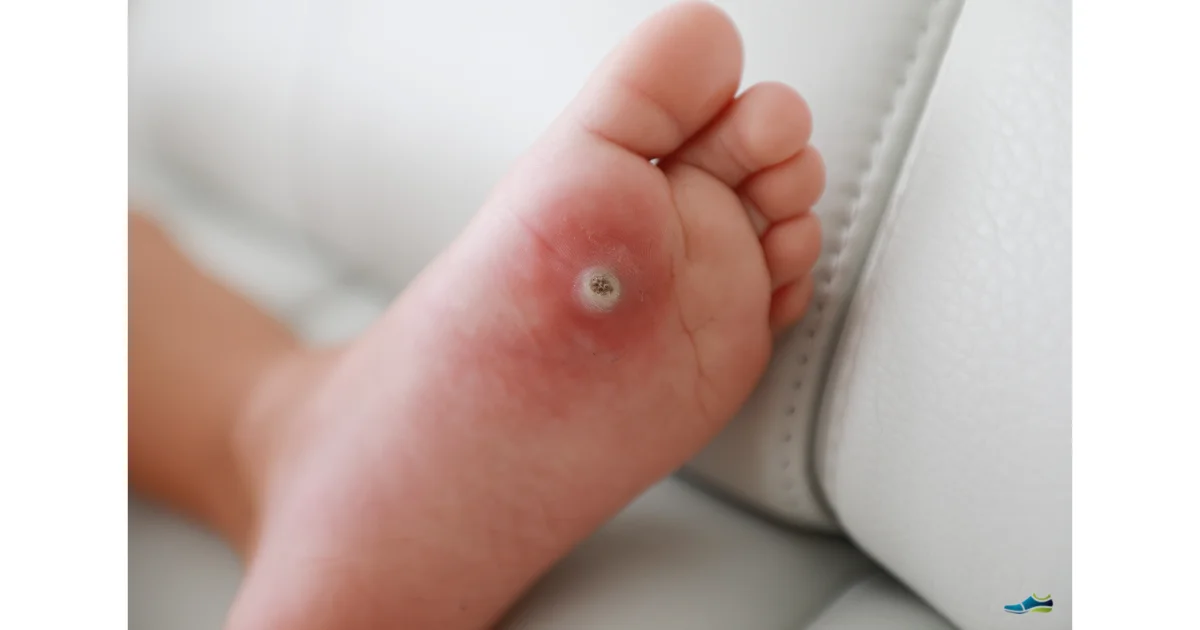
Everyone got verrucas when I was young. It felt like a rite of passage, really — you went to the swimming baths, and sooner or later, a verruca followed you home. It wasn’t unusual or embarrassing the way it might feel now; it was just something that happened to nearly everyone eventually.
Affiliate disclosure: This article contains affiliate links. If you buy something through one of these links, I may earn a small commission at no extra cost to you.
When I was young, we used something I remember as “Ivy Leaf” — and it turns out my memory served me well. Ivy Leaf was a genuine, registered trade mark corn and verruca cure, made by a dispensing chemist. It came as a dark green, leaf-shaped plaster you cut into a ring shape, with a hole in the middle to fit exactly around the verruca itself. The old packaging even proudly claimed it “takes up no room in the boot” and promised “a speedy cure, a certain cure, a painless cure” — the kind of confident, no-nonsense claims you don’t see much anymore. Whatever else has changed, the basic idea hasn’t — modern verruca plasters still use exactly the same ring-shaped design today, for exactly the same reason.

Image: Wellcome Collection, Public Domain.
What Verrucas Actually Are
A verruca is simply a wart that appears on the sole of the foot, caused by a viral infection of the skin (the same family of viruses responsible for warts elsewhere on the body). They’re genuinely contagious, spreading through direct contact — which is exactly why communal wet areas like swimming pools, changing rooms, and shared showers have always been such a common source. Damp, bare feet on a shared surface is about as easy a route as the virus could ask for.
Why That Ring Shape Actually Works
The hole in the middle isn’t just a design quirk — it genuinely matters. Verrucas tend to sit on weight-bearing parts of the foot, so direct pressure from walking is both painful and can make the verruca itself harder to treat properly. A ring-shaped plaster protects the verruca from that direct pressure while the medicated portion, usually containing salicylic acid, works on gradually softening and breaking down the affected skin around it.
What I’d Actually Look For
If you want the modern version of what I remember from childhood, Carnation Verruca Caps use essentially the same principle — a medicated ring pad, protecting the verruca while treating the surrounding skin. A genuinely sensible, well-established option.
Check Carnation Verruca Caps on Amazon
What Actually Helps
- Salicylic acid treatments, used consistently, remain a genuinely well-evidenced first approach
- Wear flip-flops or pool shoes in communal wet areas to reduce the chance of picking one up, or passing one on, in the first place
- Cover a verruca with a proper waterproof plaster when swimming, both for your own healing and out of consideration for others
- Be patient — verrucas can genuinely take weeks or months to clear, even with consistent treatment
- See a podiatrist if a verruca is particularly painful, spreading, or hasn’t responded to home treatment after a reasonable length of time
Verrucas are sometimes confused with corns or calluses, though they’re a completely different thing (a viral infection, not a pressure-related buildup of skin). If you’re not sure which you’re dealing with, my guide to calluses explains the difference.
Frequently Asked Questions
Why do verrucas keep coming back?
The virus that causes verrucas can remain in the skin even after visible symptoms clear, and reinfection from communal wet areas is common. Consistent treatment and continuing to protect your feet in shared spaces both help reduce recurrence.
Do verruca socks actually stop you catching or spreading verrucas?
Properly fitted, waterproof verruca socks can genuinely help reduce transmission in swimming pools, both protecting you from picking one up and preventing you from passing an existing verruca on to others.
How long do verrucas usually take to clear?
It varies a lot between individuals, but weeks to several months is common, even with consistent treatment. If a verruca hasn’t improved after a reasonable period, it’s worth seeing a podiatrist.
Was “Ivy Leaf” a real verruca treatment brand?
Yes — Ivy Leaf was a genuine, registered trade mark corn and verruca cure, sold as a leaf-shaped, ring-cut plaster by a dispensing chemist. It’s no longer available, but the same basic design lives on in modern verruca plasters today.