
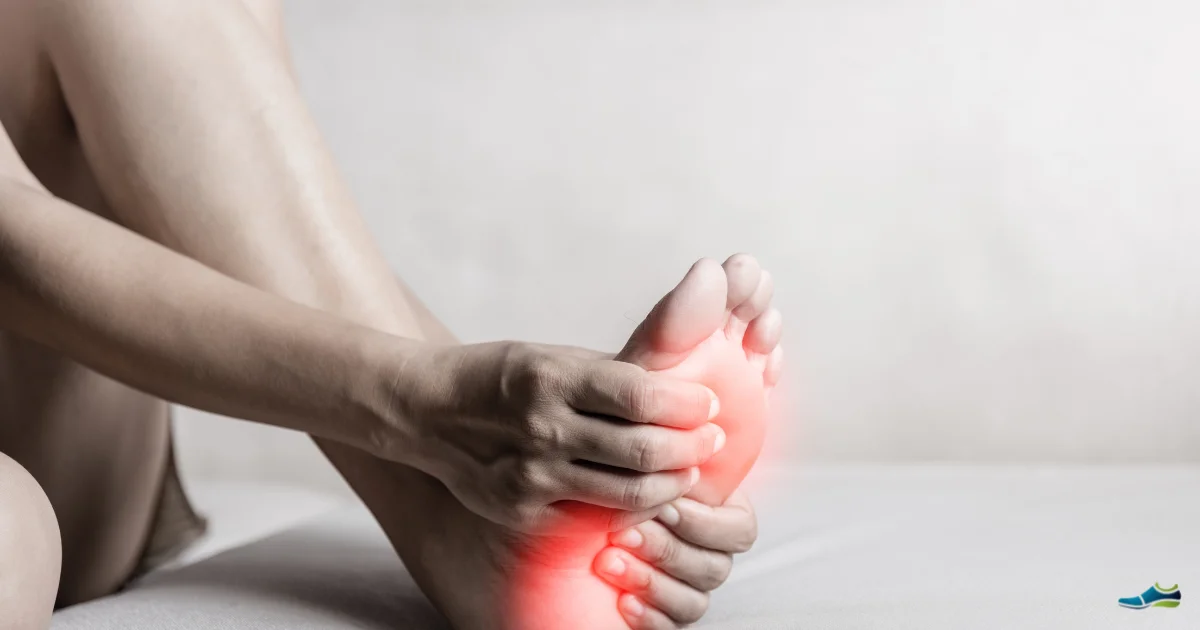
Morton’s neuroma can make every step feel sharp and uncomfortable, especially when your shoes don’t give your feet the space and support they need. The best shoes for Morton’s neuroma have a wide toe box, a low or moderate heel, good forefoot cushioning and enough depth for a metatarsal pad or orthotic if required.
In this post, we’ll explore what Morton’s neuroma is, the symptoms to watch out for, treatment options, and — most importantly — how choosing the right footwear may help reduce pressure and make walking more comfortable.
Roomier, wide-fit shoes can help reduce pressure on the affected area. Read our Wide Fit Shoes Guide for more tips.
Affiliate disclosure: This article contains affiliate links. If you buy something through one of these links, I may earn a small commission at no extra cost to you.
📌 At a Glance
Here’s what I’ve learned about Morton’s neuroma — including how my friend Nick, a lead pharmacist on his feet all day, found that changing his footwear made a real difference to his symptoms.
If you’d rather skip straight to specific questions, jump to the Q&A below.
What is Morton’s Neuroma?
Morton’s neuroma is a painful condition caused by irritation of a nerve in the ball of the foot. The tissue around the nerve can become thickened, most commonly in the area between the third and fourth toes.
It can cause a sharp, shooting or burning pain in the forefoot, sometimes with tingling or numbness in the toes. People often describe the sensation as feeling as though they’re walking on a small stone or pebble. Tight or high-heeled shoes can make the symptoms worse.
Despite the name, Morton’s neuroma isn’t a nerve tumour.
If your foot pain isn’t limited to this one condition, our Complete Guide to Foot Pain Relief walks you through all the main causes, treatments, and footwear tips to keep every step more comfortable.
Common Symptoms of Morton’s Neuroma
- Burning or stabbing pain in the ball of the foot
- Tingling or numbness in the toes
- Feeling like you’re standing on a pebble or bunched-up sock
- Pain that worsens in tight shoes or with prolonged walking
Why the Best Shoes for Morton’s Neuroma Matter
Tight, narrow, pointed or high-heeled shoes can increase pressure around the ball of the foot and may aggravate Morton’s neuroma symptoms. Choosing footwear with more room around the forefoot can help reduce that pressure.
Key Features in the Best Shoes for Morton’s Neuroma
- Wide toe box – gives toes room to spread, helping reduce pressure across the forefoot.
- Low heel – helps avoid putting extra pressure on the forefoot.
- Cushioning under the ball of the foot – can make walking more comfortable.
- Soft, flexible uppers – can accommodate the foot without adding unnecessary pressure around the forefoot.
- Removable insoles – can provide extra room if you use an orthotic or metatarsal pad.
What I’d Actually Look For
If changing your shoes isn’t quite enough, a metatarsal pad may help reduce pressure around the painful area. Position matters: the pad is generally worn just behind the ball of the foot rather than directly underneath the sore spot. If you’re unsure where to position one, ask a pharmacist or podiatrist for advice.
See Dr. Scholl’s Ball of Foot Pain Relief on Amazon
A Friend’s Experience
To show how these principles work in real life, here’s how my friend Nick managed his Morton’s Neuroma.
Nick first noticed symptoms during long days on his feet at work. He described it as feeling like a folded sock bunched up under his toes — even though there was nothing there. Sneaky, persistent, and increasingly painful, it soon became clear that sitting wasn’t an option either, since he’s a lead pharmacist at the local hospital.
Nick quickly discovered that not all “comfortable shoes” are created equal. At first, he tried soft slippers and cushioned trainers, assuming they’d help. But if they were snug across his toes or had even a slight heel lift, the pain flared. What finally gave him real relief were shoes with:
- A wide, deep toe box
- Soft cushioning under the ball of his foot
- A supportive fit that worked for his feet
With the right shoes, he could stand and walk again without holding his breath.
He also avoided stiff uppers or seams around the forefoot — even the smallest rubbing made things worse. Breathable materials helped too, especially in summer. And shoes with removable insoles proved invaluable, letting him add metatarsal pads or orthotics when he needed extra support.
Day-to-Day Comfort: What Worked for Nick
- For walking: Wide-fit athletic shoes with mesh uppers, which flexed with his foot and absorbed shock.
- For casual wear: Modern wide-fit shoes that didn’t scream “orthopaedic” but still gave him room and cushioning.
- For long hours standing: Rotating between different pairs every few days to avoid pressure building in the same spots.
- For holidays: Supportive sandals with open fronts and adjustable straps. He gave up traditional flip-flops because he found the toe post aggravated his symptoms.
Nick’s story shows how much of a difference the right footwear can make. For him, it wasn’t just about comfort — it helped him stay active through long days on his feet.
Daily Care to Support Morton’s Neuroma Relief
- Metatarsal pads: May help reduce pressure around the affected area when positioned correctly.
- Switching shoes: Rotating between comfortable pairs may help avoid repeatedly putting pressure on exactly the same areas.
- Insoles or orthotics: These may help some people by redistributing pressure across the forefoot. A podiatrist can advise if you’re unsure what type is suitable.
When to Get Medical Advice
See your GP if:
- the pain is severe or stops you doing your normal activities
- the pain is getting worse or keeps coming back
- it hasn’t improved after around two weeks of self-care
- you have tingling, weakness or numbness in your foot
- the pain started after a recent foot injury or foot or ankle surgery
Your GP can examine your foot and, if necessary, refer you to a foot specialist such as a podiatrist or foot and ankle surgeon. Further treatment may include specially made pads or insoles, injections or, for severe symptoms that haven’t responded to other treatments, surgery.
20 Quick Q&As on Morton’s Neuroma
Q: What exactly is Morton’s neuroma?
A: It’s a thickening of tissue around a nerve in the forefoot, often between the third and fourth toes, leading to burning or shooting pain.
Q: What does Morton’s neuroma feel like?
A: Many describe it as walking on a small stone or marble, with burning pain radiating into the toes.
Q: What causes it?
A: The exact cause isn’t always clear, but irritation or pressure around the nerve is involved. Tight or high-heeled shoes can aggravate the symptoms.
Q: Can Morton’s neuroma go away on its own?
A: Symptoms may improve with changes such as wearing roomier shoes, resting the foot and using suitable insoles or pads. If the pain doesn’t improve after around two weeks of self-care, keeps returning or is getting worse, speak to your GP.
Q: Is it the same as a bunion?
A: No. A bunion is a bony change at the big toe joint, while Morton’s neuroma is nerve thickening in the forefoot.
Q: How is it diagnosed?
A: A GP will usually ask about your symptoms and examine your foot. If the cause isn’t clear, you may be referred for further assessment or a scan.
Q: Do wide shoes make a difference?
A: They can. Shoes with plenty of room around the forefoot are commonly recommended because they reduce pressure around the painful area.
Q: How can I reduce pain at home?
A: Simple self-care measures recommended by the NHS include resting the foot, using an ice pack wrapped in a towel, wearing wide comfortable shoes with a low heel and soft sole, and trying soft insoles or metatarsal pads.
Q: When should I see a doctor?
A: See your GP if the pain is severe, getting worse, keeps coming back, stops you doing your normal activities, or hasn’t improved after around two weeks of self-care. You should also get advice if you have tingling, weakness or numbness in your foot.
📌 Summary
Morton’s neuroma may affect a small area of the foot, but the pain and impact on daily life can be significant. Common symptoms include burning or shooting pain in the ball of the foot, tingling or numbness in the toes, and that familiar feeling of “walking on a pebble.”
Roomy, comfortable shoes with a wide toe box and low heel can help reduce pressure around the painful area. Rest, ice, suitable insoles or metatarsal pads may also help, but if the pain is severe, worsening, keeps returning or doesn’t improve with self-care, speak to your GP.
The key takeaway? Don’t ignore foot pain or write it off as “just sore feet.” The right footwear may make a real difference to comfort, but persistent or worsening pain deserves proper medical advice.
If you need further help choosing the right shoes, pop over to my Wide Fit Shoes Guide, where you will find loads of information to help you.
Medical disclaimer: This article is for general information and isn’t a substitute for medical advice. If you have persistent, worsening or severe foot pain, or tingling, weakness or numbness in your foot, speak to your GP or another appropriate healthcare professional.
About Sue Holland
Sue writes WiderFittingShoes.com from first-hand experience of finding footwear for wide and difficult-to-fit feet. After two hip replacements, two ankle replacements and years of dealing with arthritis, swelling and feet that don’t always behave the same from one day to the next, she shares the practical things she’s learned about shoe fit, width and comfort.