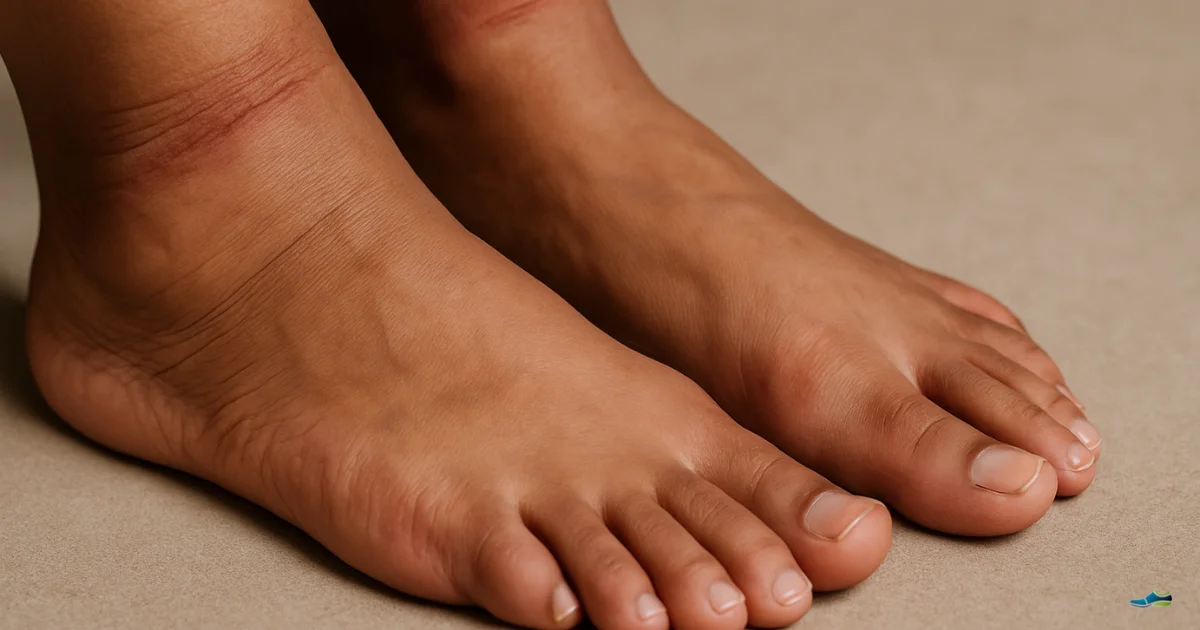
When swelling kicks in, ordinary socks can feel like they’re punishing you for standing up. The answer isn’t tighter socks. It’s choosing socks and tights with soft, stretchy cuffs, breathable fabrics and enough room to accommodate swelling comfortably throughout the day.
This guide shows exactly how to choose socks and tights that move with your body instead of fighting it.
More and more people are switching to soft, wide-opening socks that improve circulation and avoid that tight ‘digging-in’ feeling around swollen ankles.
Affiliate disclosure: This article contains affiliate links. If you buy something through one of these links, I may earn a small commission at no extra cost to you.
📌 Quick Answer — Swelling & Oedema
- ✔️ Wide cuffs that spread pressure evenly — no “string-cheese” marks.
- ✔️ Size by ankle and calf for a secure but gentle hold.
- ✔️ Bamboo, modal or merino blends that flex with swelling changes.
- ✔️ Re-measure monthly — swelling changes, your socks should too.
“If you’re unsure about your fit, have a look at this simple measuring guide. — an accurate fit makes more difference than most realise.
Why ordinary socks make swelling worse
From my own experience, once swelling starts, it’s often the top of the sock rather than the shoe that becomes the most uncomfortable part of the day.
Standard cuffs concentrate pressure in a narrow band. With swelling, that creates tourniquet tightness, dents in the skin, and sometimes pins and needles. Thin, tight toe seams can also rub across bunions, hammer toes or sensitive joints, especially when feet expand through the day. Look for soft, stretchy fabric that doesn’t dig in.
Loose-Fitting Socks That Help Without Leaving Marks
If you’re tired of socks that dig in and leave deep red rings, look for loose-fitting or non-elastic socks for swollen feet and wide-opening socks for swollen ankles. These designs use soft, non-binding cuffs and stretch gently as your legs change size through the day. They stay in place without pinching, keeping circulation flowing and comfort consistent — even when swelling fluctuates. It’s a small change that makes a big difference for anyone dealing with daily puffiness or sensitive skin.
For those with more delicate skin or diabetes-related swelling, you might prefer Non-Binding and Diabetic Socks for Sensitive Feet.
What to look for (and what to avoid)
Essential features
- Non-binding cuff / loose welt: Wide, soft top that holds without digging in.
- Stretch through the leg: Even pressure from ankle to cuff so it doesn’t “bite” at one point.
- Seamless or hand-linked toe: No ridge to rub when feet swell.
- Roomy toe box knit: Allows toe splay; avoids that “crumpled” end-of-day pinch.
- Moisture-managing fibres: Bamboo/merino/modal blends keep feet dry and calmer.
Avoid
- Tight, narrow cuffs (deep marks = bad fit).
- “One size fits all” when you know your calves swell—choose wide-calf or size-specific.
- Thick seams over sensitive joints.
What I’d Actually Look For
If you want a genuinely non-binding option rather than just “less tight,” look at Sock Snob’s loose, wide-top bamboo socks. One reviewer with swelling put it well: they’re “not binding at all” and worth it for anyone who’s given up on regular socks leaving marks by lunchtime.
Check Sock Snob bamboo socks on Amazon
Types of hosiery that work with swelling
- Non-binding / diabetic socks: Gentle hold, wide cuff, flat seams. Great for daily wear.
- Light compression socks (e.g., 15–20 mmHg): Can reduce mild swelling—size by ankle & calf measurements, not shoe size.
- Wide-calf tights & leggings: Look for 3D stretch, wide waistband, flat seams, and gusset for comfort.
- Travel socks: Similar to light compression; prioritise graduated pressure and correct sizing.
- Thermal without bulk: Merino-blend socks keep warmth steady without squeezing.
You might enjoy our complete guide to hosiery that actually fits wider feet comfortably.
Best Materials for Socks and Tights for Swollen Feet
The magic mix for swollen legs is breathability plus stretch recovery. Bamboo and modal handle moisture; fine-gauge merino keeps warmth even without thickness. Always skip bulky acrylic — it holds heat, not comfort. Best picks are breathable socks to reduce heat build-up, extra-roomy socks for swollen legs and wide-calf designs that don’t leave marks.
Your Daily Rhythm for Swollen Feet
- Morning: easiest time to get socks on. If you use light compression, put it on before getting out of bed.
- Midday check: if a cuff starts to leave marks, swap to a looser pair — don’t “push through”.
- Afternoon shoe-test: if toes feel crowded, switch to a lower-profile toe knit.
- Evening: elevate legs 15–20 minutes; air-dry socks fully so the stretch recovers overnight.
If you have… try this
- General swelling/oedema: Non-binding daily socks; consider light compression if advised.
- Post-surgery sensitivity: Very soft interiors, flat seams, easy-on cuffs.
- Bunions / hammer toes: Stretchy forefoot knit + seamless toe to reduce friction.
- Hot feet/clammy skin: Bamboo/merino blends over bulky cotton; breathability first.
60-second try-on for swollen legs
- Put on in the morning to test donning ease, then recheck at 4–6 pm for comfort at peak swell.
- Slide a finger under the cuff without a fight; no “string cheese” dents after 30 minutes.
- Toe test: stand, splay toes; no seam ridge across bunions or hammered toes.
- Walk & sit: 20 steps, then 5 minutes seated—no rolling at the cuff or waist.
- Shoe reality check: put on your actual shoes; if space is tight, swap to a lower-profile toe knit.
Care & longevity tips
- Wash inside a mesh bag on gentle; skip high heat.
- Air-dry to protect stretch and shape.
- Replace when cuffs lose recovery or toes thin/bunch.
See a clinician if swelling is new, one-sided, painful, or skin colour/temperature changes.
If you’re on your feet all day and need all-round relief, have a look at Best Socks for Standing All Day.
In Summary
The right pair of socks won’t cure swelling, but they can make every step of the day noticeably more comfortable.
If swelling comes and goes, you may also find my guide on compression socks for swollen feet useful — especially if you need something a little firmer on tougher days.
Helpful next reads
- Hosiery for Wide Feet: The Complete Comfort Guide
- The Best Thin Socks for Wide Feet
- How To Measure Foot Width At Home
FAQs
Can wearing the wrong socks make swollen feet worse?
Yes. Socks with tight elastic cuffs can restrict comfort and leave deep marks around swollen ankles and calves. Choosing non-binding socks with soft, stretchy cuffs helps reduce pressure and allows your feet to expand naturally during the day.
Should socks leave marks on swollen legs?
Light impressions are common, but deep grooves or painful indentations usually mean the socks are too tight. If your socks leave pronounced marks or cause discomfort, try a looser fit or specially designed non-binding socks.
Are bamboo socks good for swollen feet?
Bamboo socks are often a good choice because they’re soft, breathable and naturally wick moisture away from the skin. Look for bamboo socks with gentle, non-binding cuffs for the best comfort if your feet or ankles swell.
Are compression socks the same as non-binding socks?
No. Compression socks apply graduated pressure to help improve circulation and should be chosen carefully, often on the advice of a healthcare professional. Non-binding socks are designed simply to avoid tight elastic around the ankle while providing everyday comfort.
How often should I replace socks for swollen feet?
Replace them when they lose their stretch, become loose around the cuff or develop worn areas that may rub against sensitive skin. Washing them according to the care instructions helps them keep their shape for longer.
Is it better to put socks on before swelling starts?
Yes. If your feet tend to swell during the day, putting your socks on first thing in the morning is usually easier and more comfortable because swelling is often at its lowest after a night’s rest.