
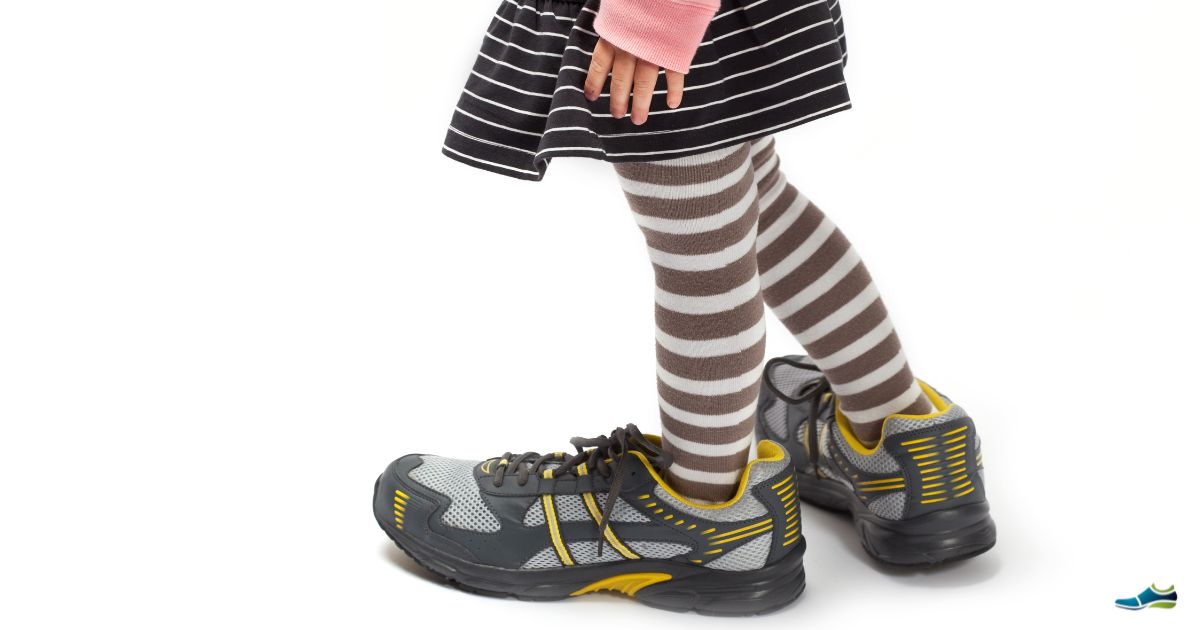
The best shoes for narrow feet come in dedicated narrow-width fittings, with adjustable laces or straps, a lower-volume upper and a secure heel fit to help prevent slipping. Walking shoes, lace-up trainers, strapped dress shoes and adjustable boots generally provide a more secure fit than loose slip-ons. If you’re unsure of your width, measure both feet before choosing a pair.
In this guide, we’ll look at what having narrow feet actually means, how to find the right fit, and what types of shoes can work well. If you’re not sure about your foot width, read my article “Do You Need Wide Fit Shoes”
Affiliate disclosure: This article contains affiliate links. If you buy something through one of these links, I may earn a small commission at no extra cost to you.
How to Choose the Best Shoes for Narrow Feet
Most importantly, if you’re buying online, make sure you’ve measured the width of your feet and check the manufacturer’s own size and width guide. For some extra peace of mind, buy from a retailer that accepts returns.
The same goes for buying in a shop. If possible, choose one where they can measure your feet and help you find the right fit.
Here are some features to look for when shopping for the best shoes for narrow feet.
1. Narrow Width Options
Look for shoes that are actually offered in a narrow or slim fitting rather than relying on the size alone. Width labels vary between manufacturers, so always check the individual brand’s fitting guide.
2. Adjustable Closures
Lace-ups, straps, and buckles can make a big difference. They help secure your foot and prevent sliding, especially during walking or running.
3. Secure Heel Fit
Pay attention to how securely the shoe holds your heel. If your heel lifts or slips as you walk, the shoe may simply have too much room even if the length feels right. Laces, straps or other adjustable fastenings can help you fine-tune the fit.
4. Avoid Slip-Ons
Slip-on shoes can be harder to fit if you have narrow feet because there’s usually less opportunity to adjust them. If you find your heel slipping or your foot moving around inside the shoe, a lace-up or strapped style may give you a more secure fit.
The Best Types of Shoes for Narrow Feet
👟 Walking and Running Shoes
When it comes to walking and running shoes, some brands offer a choice of width fittings, which can make finding a narrow fit easier. Lace-up styles also give you more control over how securely the shoe holds your foot. Look for a comfortable fit through the heel and across the foot without having to pull the laces excessively tight.
👠 Dress Shoes
Adjustability can be particularly useful with dress shoes. Mary Janes and other styles with straps can help hold the foot securely, while lace-up styles give you more control over the fit. With court shoes or loafers, pay particular attention to heel slip and excess space because there’s less opportunity to adjust them.
👢 Boots
Lace-up boots can be a good option because you can adjust the fit across the foot. A side zip can make them easier to get on and off once you’ve adjusted the laces. Remember that foot width and ankle or calf width are separate measurements, so check both when choosing longer boots.
🥿 Everyday Casual Shoes
Casual shoes with laces or adjustable straps can make it easier to get a secure fit. If a shoe feels too roomy even when properly fastened, look for a narrower fitting rather than simply sizing down, as a smaller shoe may then be too short for your foot.
Extra Tips to Improve Shoe Fit for Narrow Feet
- Use insoles: If a shoe is only slightly too roomy, an additional insole or volume-reducing insert may help take up some of the excess space. Make sure it doesn’t make the shoe uncomfortably tight elsewhere.
- Heel grips or pads: These may help with minor heel slipping or rubbing, provided the rest of the shoe fits properly.
- Try different brands: shoe shapes vary considerably between manufacturers. If one brand consistently feels too roomy, another may simply suit the shape of your feet better.
What Does It Mean to Have Narrow Feet?
Narrow feet are just what they sound like — feet that are slimmer across the forefoot and heel than the average shoe is designed to accommodate.
If a shoe is too wide for your foot, you may notice your foot moving around inside it, your heel slipping, or rubbing that can lead to blisters. In my opinion, finding the best shoes for narrow feet can be far more challenging than finding wider-fitting shoes.
Here are some common signs that you need a narrower shoe:
- Your feet slide forward or sideways in most standard shoes
- You frequently get blisters or sore spots on your toes or heels
- You have to tie your laces extra tight for a snug fit
Why Standard-Width Shoes Can Be Difficult for Narrow Feet
The main problem with a shoe that’s too wide is that it may not hold your foot securely. You might notice your heel lifting, your foot sliding forwards or sideways, or find yourself pulling the laces unusually tight just to keep the shoe in place.
That doesn’t necessarily mean you need a smaller shoe size. Going down a size may reduce some of the extra space, but it can also leave the shoe too short for your toes. Width and length are separate parts of getting the fit right.
If this happens regularly, look for brands that offer narrower width fittings and check their own size and width guides. Adjustable laces or straps can also make it easier to fine-tune the fit.
Where To Measure Foot Width
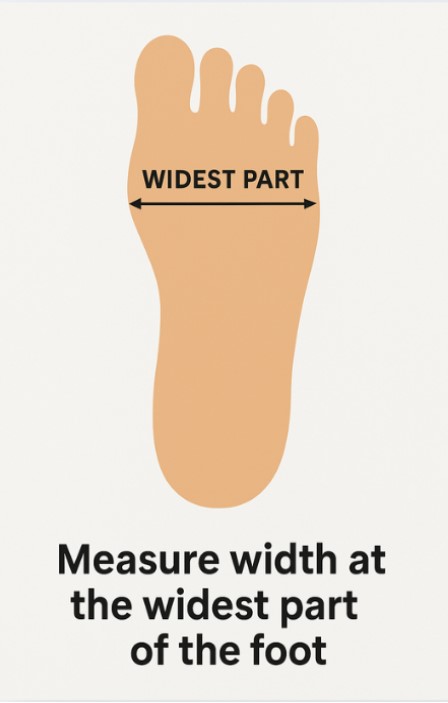
Start by measuring around the widest part of your foot, usually across the ball of the foot, as shown in the diagram. Measure both feet, as they may not be exactly the same width.
Follow the manufacturer’s measuring instructions, as methods can vary between brands. If you’re measuring for footwear you’ll normally wear with socks, check whether the brand recommends measuring with them on.
Compare your measurements with the manufacturer’s own width chart. Brands vary, so a width fitting that suits you in one brand won’t necessarily fit the same way in another.
Final Thoughts
Having narrow feet doesn’t mean you have to settle for shoes that don’t fit or hurt your feet. With the right styles, materials, and width options, you can walk in comfort without stuffing your shoes with makeshift fixes. It’s all about knowing what to look for and choosing footwear that’s designed to work with your foot — not against it.
And don’t forget: fit always comes first. A properly fitting shoe will serve you better than the trendiest option that leaves you limping home.
Once you have found a brand that caters for your narrow feet, and you are quite confident that their shoes will fit you, stick with that brand where possible.
Browse Clarks narrow width shoes on Amazon
Frequently Asked Questions
Q: How do I know if I have narrow feet?
A: If your feet often slide around inside standard-width shoes, your heels slip, or you notice excess space around the sides, you may need a narrower fitting. Measuring both feet and comparing the measurements with the manufacturer’s width guide is a better way to check.
Q: Are narrow width shoes easy to find?
A: They can be harder to find on the high street than standard-width shoes, but some brands offer narrow-width options online. Once you find a brand whose shape and width suit your feet, it’s worth remembering which styles fit you well.
Q: What is considered a narrow width?
A: There isn’t one narrow-width label used by every manufacturer. Brands may use letters, words such as “narrow” or “slim”, or their own width system. Check the manufacturer’s width guide rather than relying on a particular letter.
Q: Can I make regular shoes fit better if I have narrow feet?
A: Sometimes. An insole, heel grip or tongue pad may help if a shoe is only slightly too roomy. If your foot is still sliding around or you have to tighten the shoe excessively, a narrower fitting is likely to give you a better fit.
About Sue Holland
Sue writes WiderFittingShoes.com from first-hand experience of finding footwear for wide and difficult-to-fit feet. After two hip replacements, two ankle replacements and years of dealing with arthritis, swelling and feet that don’t always behave the same from one day to the next, she shares the practical things she’s learned about shoe fit, width and comfort.