
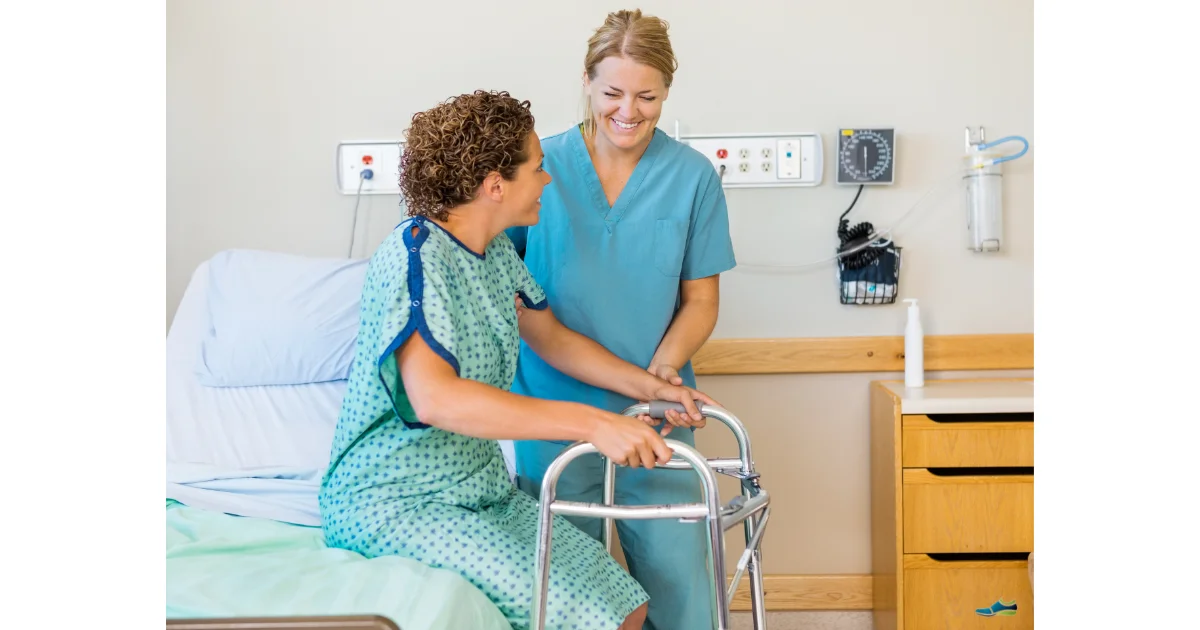
Returning home after a total hip replacement is a massive milestone, but it also brings a unique set of daily hurdles. You will have been put through your paces before you left the hospital, but it can feel a bit scary once you get home. It is well worth asking a family member or friend to ensure there aren’t any hidden obstacles that could become hazardous—such as loose rugs, protruding furniture legs, pet beds, overhanging bedspreads, or general clutter.
You need a completely clear run, especially in those first few days.
After my hip replacements, I was given bending precautions that made putting on ordinary footwear surprisingly difficult. Reaching down to pull on a shoe or sort out a heel wasn’t something I could simply do in the usual way, so the easiest footwear became the footwear I could get on with as little bending and fiddling as possible.
I also became much more wary of loose slippers and anything that didn’t stay securely on my feet. At that stage of recovery, the last thing I wanted was footwear I had to shuffle in or constantly think about keeping on my feet. I wanted something secure, comfortable and easy to get into.
In this guide, I’m looking at the features I found useful in footwear at home after hip replacement, along with some of the options I’d consider if I were choosing recovery footwear now.
Affiliate disclosure: This article contains affiliate links. If you buy something through one of these links, I may earn a small commission at no extra cost to you.
Why I Was Careful About Slippers After Hip Surgery
After my hip replacements, the bending precautions I’d been given made ordinary footwear much more awkward to deal with. I couldn’t simply lean forward and sort out a slipper or shoe if the heel folded underneath my foot.
That’s one reason a long-handled shoehorn became so useful to me. I’ve explained exactly how I used one in my step-by-step guide to putting shoes on after hip and ankle surgery.
There were three things I particularly wanted to avoid with house shoes during recovery:
- Loose or backless slippers: I didn’t want anything I had to shuffle in or grip with my toes just to keep it on. I wanted my footwear to stay securely on my feet while I walked.
- A heel that needed sorting out: If the back of a slipper folded underneath my heel, I couldn’t easily reach down and pull it back into place while following the bending precautions I’d been given.
- Changes in swelling: The possibility of swelling was another reason I didn’t want footwear that was already snug. If the fit of your usual footwear changes during recovery, it’s worth taking that into account rather than assuming your normal size and fit will feel exactly the same.
What I’d Look for in House Shoes After Hip Surgery
Based on what I found difficult after my own hip replacements, these are the features I’d pay most attention to:
- Easy entry: Anything that reduces the amount of bending and fiddling is worth considering. A hands-free design with a firmer heel can be particularly useful if it lets you step into the shoe without having to reach down and pull it on.
- A grippy sole: I’d avoid anything that feels slippery underfoot. At home, I wanted a sole that felt secure on the hard floors I was walking across.
- Some adjustment: Feet don’t necessarily feel exactly the same from one day to the next during recovery. A wide hook-and-loop strap or another adjustable fastening gives you some flexibility with the fit.
- A secure fit: I wanted something that stayed on my foot as I walked rather than a loose slipper I had to consciously keep in place.
House Shoes I’d Consider After Hip Replacement
1. Skechers Hands Free Slip-ins
Skechers Hands Free Slip-ins caught my attention for one obvious reason: you can step into them without having to bend down and pull the heel into place. That’s exactly the sort of feature I’d have appreciated after my hip replacements.
Skechers describes its Slip-ins range as hands-free footwear designed with a secure heel fit, and there are currently both men’s and women’s styles available in wider fittings. Not every Slip-in comes in every width, though, so I’d check the individual style rather than assuming they’re all wide fitting.
2. Adjustable Slippers for Changing Fit
If your feet are swollen during recovery, an adjustable slipper may be easier to accommodate than something with a fixed opening. Cosyfeet and DB Shoes are two UK brands I’d look at because they offer wider-fitting slippers with adjustable fastenings.
Some styles open much further than an ordinary slipper, which can make getting your foot in easier, while the adjustable fastening gives you more control over the fit. I’d still check the individual style carefully, particularly how wide it opens and whether you can manage the fastening without bending beyond the precautions you’ve been given.
3. Supportive House Shoes for Hard Floors
If you’re spending a lot of your recovery walking around on hard floors, comfort underfoot is another thing worth thinking about. I certainly wouldn’t have wanted to spend all day padding around on tiles or laminate in something thin and flimsy.
Vionic is one of the brands I’d consider here because it offers recovery-style footwear with more structure and cushioning than a traditional slipper. The important thing after hip surgery, though, is whether you can get the particular style on and off easily and whether it stays securely on your foot. A wonderfully supportive shoe isn’t much help if you have to wrestle with it every time you put it on.
Frequently Asked Questions (FAQ)
Can I wear backless slippers or flip-flops after hip surgery?
I avoided loose backless slippers during my recovery because I didn’t want anything I had to shuffle in or consciously keep on my feet. I felt much more secure in footwear that stayed put as I walked. Your own surgical team or physiotherapist may give you specific advice about footwear, so follow that if they do.
How long will my feet stay swollen after a hip replacement?
Swelling can happen after hip replacement, but how much you get and how long it lasts varies from person to person. If swelling changes the way your usual footwear fits, adjustable or roomier footwear may be easier to manage for a while. If you’re concerned about swelling — particularly if it’s new, worsening or accompanied by other symptoms — contact your healthcare team rather than relying on footwear advice.
Finding Stability at Home
After my hip replacements, I wanted footwear at home to be one less thing to worry about. For me, that meant something comfortable, secure on my feet and easy to put on without struggling or bending further than I’d been told to.
If swelling has changed the way your usual footwear fits, don’t assume your normal size will necessarily feel the same during recovery. Check the fit carefully and give yourself enough room to be comfortable without ending up with footwear that’s so loose you’re fighting to keep it on.
And above all, follow the movement and footwear advice you’ve been given by your own surgical team or physiotherapist. My recovery taught me what worked for me; yours may be different.
Medical disclaimer: This article is based on my personal experience of choosing and managing footwear after hip replacement surgery. It is not medical advice. Always follow the recovery and movement instructions given by your own surgical team or physiotherapist.
About Sue Holland
Sue writes WiderFittingShoes.com from first-hand experience of finding footwear for wide and difficult-to-fit feet. After two hip replacements, two ankle replacements and years of dealing with arthritis, swelling and feet that don’t always behave the same from one day to the next, she shares the practical things she’s learned about shoe fit, width and comfort.