
I’ll be upfront — chilblains aren’t something I’ve personally dealt with, unlike quite a few of the other foot problems I write about here. So this guide is based on research rather than my own experience. I’ve looked at what trusted medical sources say about chilblains, along with the practical footwear features that can help keep cold feet warm without squeezing them.
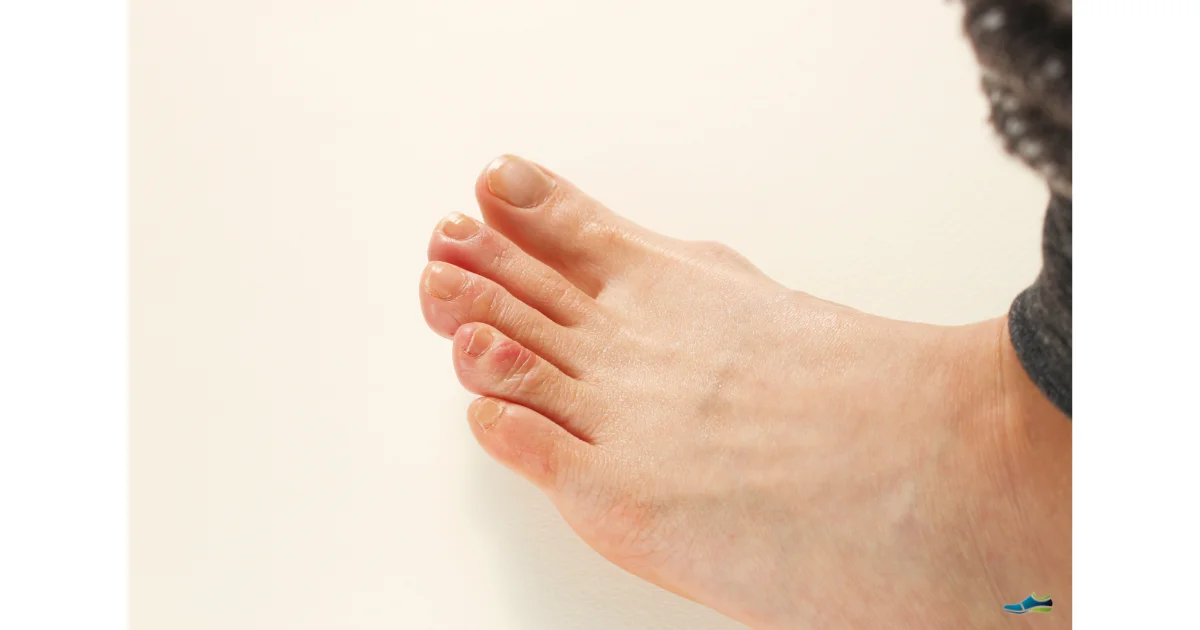
Chilblains are small, itchy or painful patches that can develop after your skin has been exposed to cold conditions. They often affect the fingers and toes and may appear red, purple or darker than the surrounding skin.
They can be uncomfortable, but they usually improve on their own. Because other problems can also cause changes in the colour, sensation or condition of your toes, it’s worth getting medical advice if you’re unsure what you’re dealing with or the symptoms aren’t improving.
Footwear can’t treat chilblains, but keeping your feet warm and dry — without squeezing them into tight shoes or socks — is an important part of cold-weather foot comfort. That’s where the footwear side of this guide comes in.
This guide looks at what chilblains are, what can help reduce the risk of them developing, when to seek medical advice, and what to consider when choosing winter shoes and socks.
What Causes Chilblains?
Chilblains are associated with exposure to cold conditions and the way the small blood vessels respond as the skin warms again.
Some people are more prone to them than others, and they can return during cold weather. Smoking and some health conditions that affect circulation may also increase the risk.
Tight shoes aren’t necessarily the cause of chilblains, but squeezing cold toes into tight footwear isn’t helpful. For the footwear side of things, I’d concentrate on keeping feet comfortably warm and dry while still giving the toes enough room.
Common Symptoms of Chilblains
Chilblains can cause:
- itchy or burning patches on the skin
- swelling and tenderness
- red, purple or darker areas of skin
- blistering in some cases
They often develop several hours after exposure to cold. If you’re unsure whether a skin change is a chilblain — particularly if it’s severe, isn’t healing or you have an underlying condition affecting your circulation — get medical advice.
Choosing Footwear When You’re Prone to Chilblains
Shoes won’t treat chilblains, but sensible winter footwear can help keep your feet warm and dry. Just as importantly, you don’t want thick socks inside shoes that become so tight they’re squeezing your toes.
- Enough room around the toes — particularly if you’re wearing thicker winter socks
- Warm, weather-resistant uppers to help keep cold and damp out
- An insulating insole if there’s enough room for one without making the shoe tight
- A secure, grippy sole for walking in cold or wet weather
What Can Help with Chilblains?
At-home care
- Keep affected skin comfortably warm, but avoid suddenly putting very cold feet against a radiator, heater or other strong source of heat.
- Avoid rubbing or scratching the affected skin.
- Keep your feet warm and dry.
- If the skin is itchy or sore, a pharmacist can advise you about suitable products.
Footwear & sock setup
- Choose winter shoes or boots with enough room for the socks you intend to wear.
- Wear warm socks that aren’t tight around your feet or ankles.
- Change damp socks and allow wet footwear to dry properly before wearing it again.
- Don’t lace shoes so tightly that your toes feel squeezed.
Professional care
Get medical advice if your chilblains aren’t improving, keep coming back, or the skin becomes broken or shows signs of infection.
It’s also sensible to speak to your GP if you’re concerned about your circulation or have a health condition that could make foot problems more significant.
Prevention Tips
- Keep your feet warm when you’re outside in cold weather.
- Wear warm socks and shoes with enough room so your toes aren’t squeezed.
- Change damp socks and wet footwear as soon as you can.
- When you come back inside, allow cold feet to warm up gradually rather than putting them straight against a radiator or other strong heat source.
- If you smoke, stopping can help your circulation as well as your general health.
What I’d Actually Look For
If I were choosing socks for cold feet, I’d be looking for warmth without creating extra tightness inside my shoes. Sock Snob’s Thermal Socks for Poor Circulation caught my eye because they’re designed with a non-elastic top and are intended to provide extra warmth.
I haven’t used these myself, and I’m not suggesting that socks can treat chilblains. But if you’re looking for thermal socks, I’d check the sizing carefully and make sure they don’t make your shoes feel tight across your toes or forefoot.
Check Sock Snob thermal circulation socks on Amazon
Sock choice matters here too — I’ve written more generally about staying warm without overheating your feet in Thin Socks for Winter.
What to Look for in Cold-Weather Shoes
If you’re prone to cold feet or chilblains, I’d concentrate on:
- Warmth and weather resistance — lined boots or insulated shoes can help keep cold and damp out.
- Enough room around the toes — especially if you’re wearing thicker socks.
- An insulating insole — provided there’s enough room inside the shoe for one without making the fit tight.
- A comfortable overall fit — your heel should feel secure without the forefoot or toes being squeezed.
When to Get Medical Advice
Speak to your GP if:
- your chilblains aren’t improving after a few weeks
- they keep coming back
- the skin becomes broken or you notice signs of infection
- you’re concerned about severe or unusual changes in the colour or condition of your skin
- you have diabetes or another condition that affects your circulation and you’re concerned about changes to your feet
FAQs
Are chilblains the same as frostbite?
No. Chilblains develop after exposure to cold but the skin doesn’t freeze. Frostbite is caused by freezing and is a much more serious cold injury.
Can I use heat packs on chilblains?
It’s better to concentrate on warming cold feet gradually rather than applying strong heat directly to the skin. Avoid putting very cold feet against radiators, heaters or other intense heat sources.
Why do my chilblains keep coming back?
Some people are more prone to chilblains, and they can return when the weather turns cold. Keeping your feet warm and dry and avoiding sudden changes in temperature may help. If they keep coming back, speak to your GP.
Do I need special socks for chilblains?
Not necessarily. I’d concentrate on socks that keep your feet comfortably warm without making your shoes tight. A very thick thermal sock isn’t much help if it leaves your toes squeezed inside your shoes.
The Bottom Line
When it comes to chilblains, footwear isn’t a treatment — but keeping cold feet warm and dry without squeezing your toes makes good practical sense.
I’d look for winter shoes with enough room for warm socks, decent protection from cold and damp, and a comfortable toe box. And remember that thicker isn’t always better: a lovely warm sock that’s crammed into a tight shoe rather defeats the object.
If you’re unsure whether you have chilblains, they aren’t improving, or they keep coming back, get medical advice rather than relying on footwear changes alone.
Medical Disclaimer: This article is for general information only and isn’t a substitute for medical advice, diagnosis or treatment. If you’re concerned about changes to the skin on your feet, your symptoms aren’t improving, or you have a condition that affects your circulation, speak to your GP or another qualified healthcare professional.
About Sue Holland
Sue writes WiderFittingShoes.com from first-hand experience of finding footwear for wide and difficult-to-fit feet. After two hip replacements, two ankle replacements and years of dealing with arthritis, swelling and feet that don’t always behave the same from one day to the next, she shares the practical things she’s learned about shoe fit, width and comfort.