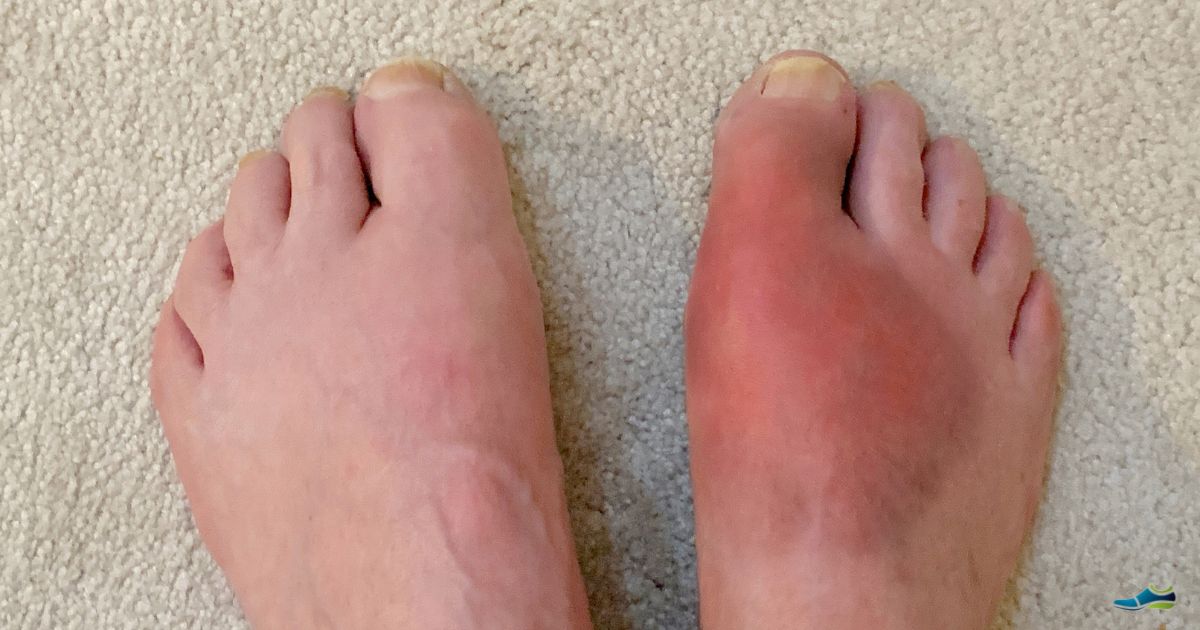
If you’re having a gout flare, resting the affected joint, keeping it raised and using a wrapped cold pack may help ease the pain and swelling. Anti-inflammatory medicines are commonly used to treat gout attacks, but they’re not suitable for everyone, so check with a pharmacist or doctor if you’re unsure what you can safely take. Avoid putting unnecessary pressure on the joint and seek medical advice if this is your first suspected gout attack.
Gout can arrive suddenly, often causing intense pain, redness and swelling in the big toe or another joint. The immediate aim during a flare is to control the pain and inflammation, while longer-term treatment focuses on reducing the risk of further attacks.
I’ll be upfront — gout isn’t one I’ve personally dealt with, unlike a fair few of the other things I write about here. But between years of living with arthritis and everything that’s come with it, I do know what it’s like trying to find footwear when a joint is swollen and painfully sensitive to pressure. So this one’s built on solid research rather than my own experience of gout — honest, practical, and no false claims either way.
Affiliate disclosure: This article contains affiliate links. If you buy something through one of these links, I may earn a small commission at no extra cost to you.
📌 At a Glance
Here’s a quick guide to easing the pain of a gout flare, what can increase your risk of gout, and what may help reduce the risk of further attacks.
Jump straight to the Quick Q&As for fast answers.
Immediate Relief for Gout Pain
During a gout flare, the affected joint can become extremely tender. Even light pressure against it can be uncomfortable, so resting the joint and avoiding unnecessary pressure from footwear can help while the flare settles.
If you do need to be on your feet during a flare, choose footwear that doesn’t press or rub against the swollen joint. A roomy toe box, soft upper and adjustable fastening can make it easier to accommodate swelling without squeezing the painful area.
- Cold pack: Apply an ice pack or bag of frozen peas wrapped in a towel for up to 20 minutes at a time to help ease the pain.
- Elevation: Rest and raise the affected limb when you can.
- Medication: Gout attacks are often treated with anti-inflammatory medicines, but the right treatment depends on your health and any other medicines you take. Follow your prescribed treatment or ask a pharmacist or doctor what is suitable for you.
- Hydration: Drink plenty of water unless you’ve been advised to restrict your fluid intake.
- Rest: Avoid putting unnecessary pressure on the affected joint while it’s painful.
What I’d Actually Look For
A wrapped bag of frozen peas will do the job, but if you’d prefer something made for the purpose, a reusable foot-shaped cold pack can be easier to keep around the affected area while you rest. I’ve recommended REVIX on my bursitis page, while the Pedimend ice slippers are designed to wrap around more of the foot, including the toe area.
Check Pedimend foot and heel ice packs on Amazon
If your foot pain isn’t limited to this one condition, our Complete Guide to Foot Pain Relief walks you through all the main causes, treatments, and footwear tips to keep every step more comfortable.
What Can Increase the Risk of Gout?
Gout is caused by a build-up of urate crystals in and around a joint. This can happen when the level of urate in the blood is too high, although not everyone with a high urate level develops gout. When the crystals trigger inflammation in a joint, it can cause the sudden pain, swelling and redness associated with a gout attack.
- Diet: Eating a lot of red meat, offal and some seafood can increase uric acid levels.
- Alcohol: Drinking alcohol, particularly beer and spirits, can increase the risk of gout attacks.
- Being overweight: Gout is more common in people who are overweight.
- Certain medicines: Some medicines, including diuretics used to treat high blood pressure, can increase the risk.
- Some health conditions: Kidney disease, high blood pressure and some other conditions are associated with a greater risk of gout.
- Family history: You’re more likely to develop gout if a close family member has it.
Symptoms of Gout in the Feet
- Sudden, severe joint pain (often at night)
- Swelling, redness, and warmth around the joint
- Extreme tenderness — even light pressure on the joint can be very painful
- Limited mobility and stiffness
- Symptoms that may settle and then return in another attack
Reducing the Risk of Further Gout Attacks
- Keep well hydrated, unless you’ve been advised to restrict your fluid intake.
- Follow a balanced diet rather than relying on drastic dietary restrictions or supposed gout cures.
- Limit alcohol, particularly if you notice it is associated with your attacks.
- If you’re overweight, gradual weight loss may help, but avoid crash diets.
- Take any gout medication you’ve been prescribed as directed. Long-term treatment may be recommended to lower uric acid and reduce the risk of further attacks.
Why Wide-Fitting Shoes Matter
During a gout flare-up, the affected joint can become swollen and extremely tender, making normal shoes painfully restrictive. Roomier footwear can reduce pressure and rubbing around the sore joint and make walking more comfortable when you do need to be on your feet.
What to look for in footwear during a gout flare:
- Extra space to accommodate swelling
- Cushioning for comfort underfoot
- Adjustable fastenings for a flexible fit
- Reduced friction and pressure points
When to Seek Medical Help
See your GP if:
- This is your first suspected gout attack.
- You’ve been diagnosed with gout before but your usual treatment isn’t helping.
- Your gout attacks are becoming more frequent.
Get urgent medical advice from your GP or NHS 111 if you have sudden joint pain and swelling and:
- The pain is getting worse.
- You have a high temperature or feel hot, cold or shivery.
- You feel sick or cannot eat.
A hot, swollen and very painful joint can sometimes be caused by an infection rather than gout, so these symptoms need urgent assessment.
Treatment for a gout attack may include medicines to reduce pain and inflammation. If attacks keep happening, your doctor may also recommend long-term treatment to lower uric acid levels and reduce the risk of future attacks.
Common Questions About Gout
Q: How long does a gout flare-up usually last?
A: A gout attack can last for several days, although how long it lasts varies. Treatment can help control the pain and inflammation, and if you’ve been diagnosed with gout, it’s important to follow the treatment plan you’ve been given. If this is your first suspected attack, seek medical advice.
Q: Can I walk with gout?
A: During a painful gout flare, it’s sensible to rest the affected joint and avoid unnecessary pressure on it. If you do need to walk, choose footwear that doesn’t squeeze or rub against the swollen joint.
Q: Are there foods I should limit if I have gout?
A: A healthy, balanced diet is generally recommended for gout. Some foods and drinks, including red meat, offal, some seafood and alcohol, can raise uric acid levels, so you may be advised to limit them. Diet alone isn’t usually enough to control gout if you need medical treatment.
Q: Do cherries help with gout?
A: Some studies have found an association between cherries and fewer gout attacks, but the evidence isn’t strong enough to rely on cherries or cherry supplements as a treatment. They shouldn’t replace prescribed gout medication.
Q: Is gout the same as arthritis?
A: Gout is a type of inflammatory arthritis caused by urate crystals forming in and around a joint.
Q: Is gout always in the big toe?
A: The big toe is the most common site, but gout can affect ankles, knees, fingers, and elbows too.
Q: Can women get gout?
A: Yes. Women can get gout, although it is more common in men and the risk in women increases after menopause.
Q: Can gout cause permanent joint damage?
A: Yes. Gout that isn’t adequately treated can eventually cause damage to the joints, which is one reason recurrent attacks should be discussed with your doctor.
Q: Can footwear really make a difference?
A: It can help with comfort. A roomy toe box, cushioning and adjustable fastenings can reduce pressure on a swollen, tender joint, although footwear doesn’t treat the underlying gout.
Medical disclaimer: This article is for general information and isn’t a substitute for medical advice. If you think you may have gout, particularly if this is your first attack, speak to your GP. Seek urgent medical advice if a painful, swollen joint is getting worse or you also have a high temperature or feel unwell.
About Sue Holland
Sue writes WiderFittingShoes.com from first-hand experience of finding footwear for wide and difficult-to-fit feet. After two hip replacements, two ankle replacements and years of dealing with arthritis, swelling and feet that don’t always behave the same from one day to the next, she shares the practical things she’s learned about shoe fit, width and comfort.