
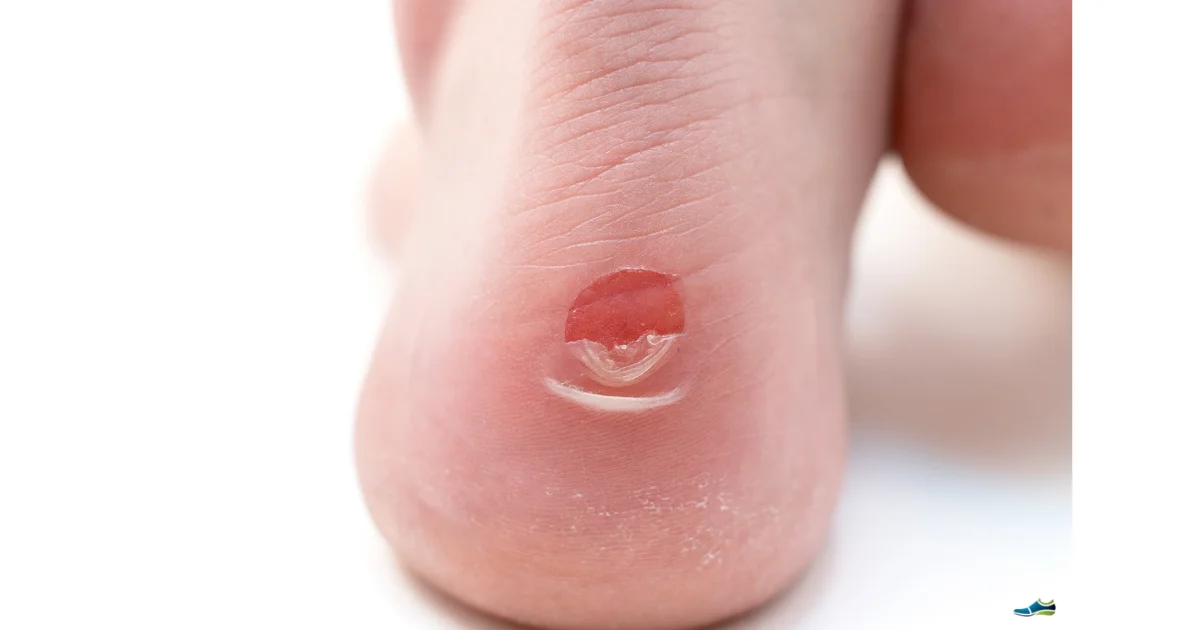
To prevent blisters on your feet from shoes, start by reducing the three things that usually cause them: friction, heat and moisture. Shoes that fit properly, moisture-wicking socks and protection over known rubbing points can make a huge difference. Blisters often start when shoes are too tight, too loose or repeatedly rub the same part of your foot, so getting the fit right is one of the best places to start.
Blisters may only be small fluid-filled pockets of skin, but they can make walking miserable. Whether you’re breaking in new shoes, going on a long walk or simply prone to hot spots, knowing what causes the rubbing makes them much easier to prevent.
📌 At a Glance
All the key facts on Blisters in one place — no scrolling, no searching.
Jump straight to the Quick Q&As.
In this post, we’ll look at why these painful spots form, how to care for them, and which footwear habits can help prevent them.
Most shoe blisters are caused by repeated rubbing. As the shoe, sock and skin move against one another, an area can become sore and a fluid-filled blister may develop. Heat and moisture can make the problem worse, which is why blisters are particularly common during long walks, running or when wearing new shoes.
I’ve learned from experience that even a small rubbing point can become extremely uncomfortable once you’ve been walking on it for a while. That’s why I pay attention to fit, seams and any movement inside the shoe rather than hoping a new pair will eventually become comfortable.
If you already have a blister, protecting it from further rubbing can make walking more comfortable while it heals. A blister plaster or suitable dressing can help cushion the area, but it’s also important to deal with whatever caused the rubbing in the first place.
With footwear, aim for a secure fit without squeezing the foot. Shoes that are too loose can allow the heel or foot to slide and rub, while shoes that are too tight can create pressure points. Enough room around the toes and a secure fit around the heel can help reduce unwanted movement and friction.
If your foot pain isn’t limited to this one condition, our Complete Guide to Foot Pain Relief walks you through all the main causes, treatments, and footwear tips to keep every step more comfortable.
Causes of Blisters on Feet From Shoes
Blisters usually develop when friction, heat, and moisture combine. Here are the most common culprits:
- Poorly fitting shoes – too tight, too loose, or rubbing in the wrong spot.
- Seams and stitching – raised edges inside footwear that dig into the skin.
- Moisture build-up – sweaty feet or damp socks make skin more vulnerable.
- Heat and swelling – long walks, running, or warm conditions increase the risk.
Treatment & Relief for Shoe Blisters
If you’ve already got a blister, the aim is to protect it and reduce pain.
- Cover it – use a blister plaster, cushioned pad, or soft gauze to reduce friction.
- Avoid popping – keeping the skin intact helps protect the area underneath from infection.
- Keep it clean and protected – change the dressing as needed and avoid shoes that continue to rub the area while it heals.
How to Prevent Blisters on Feet From Shoes: Practical Tips
Prevention is far easier, and far less painful, than cure. Easing into new shoes gradually rather than wearing them for a full day straight away is one of the simplest ways to cut your risk. Beyond that, look for shoes with:
- Wide toe boxes – no cramped toes rubbing against each other.
- Seam-free linings – fewer pressure points inside the shoe.
- Breathable uppers – materials such as mesh can help reduce heat and moisture build-up.
- Cushioned insoles – can add comfort, provided they don’t make the shoe too tight.
- Adjustable fastenings – laces, straps, or Velcro help get the perfect fit.
Sock choice matters too. Moisture-wicking socks can help keep your feet drier on long walks or runs, reducing one of the factors that can contribute to friction blisters. If you already know you’re prone to blisters, it’s worth paying particular attention to both your socks and how your shoes fit.
Extra Tips for Blister-Prone Feet
If you know exactly where your shoes tend to rub, don’t wait for a blister to appear. Protecting those areas before a long walk, run or day on your feet can make a real difference.
- Protect known hot spots – apply a blister plaster or protective tape to areas that regularly rub, such as the heel or sides of the toes.
- Change damp socks – on long walks or particularly warm days, carrying a spare pair means you can change before sweaty socks start increasing friction.
- Check inside your shoes – a rough seam, worn lining, small ridge or even a creased insole can repeatedly irritate the same spot.
- Pay attention to early warning signs – if an area starts feeling hot, sore or irritated, stop and deal with it before continued rubbing turns it into a blister.
When to Get Medical Advice
Most friction blisters can be managed at home, but it’s worth getting medical advice if:
- a blister is very painful, keeps coming back or isn’t healing
- the skin becomes increasingly red, hot or swollen, or there’s pus
- you develop a fever or feel unwell
- you have diabetes or problems with circulation and develop a blister on your foot
Frequently Asked Questions About Blisters
Q: What actually causes a blister on the foot?
A: Most blisters are caused by friction — repeated rubbing between skin, sock, and shoe. Heat, moisture, or pressure can make them worse. Burns, frostbite, or infections can also lead to blistering.
Q: Should I pop a blister or leave it alone?
A: It’s best not to pop a blister. The skin acts as a natural barrier against infection. If it bursts on its own, clean it gently, apply antiseptic, and cover with a sterile dressing.
Q: How long do foot blisters usually take to heal?
A: Small blisters often heal within 3–7 days. Larger ones may take up to 2 weeks, depending on care and whether friction continues.
Q: What’s the best dressing for a blister?
A: Hydrocolloid plasters or blister pads are ideal. They cushion the blister, absorb fluid, and speed up healing.
Q: Do blisters mean my shoes are too tight?
A: Not always. Shoes that are too loose can also cause rubbing. The key is a proper fit with no slipping or pinching.
Q: Can you get blisters from standing all day?
A: Yes. Continuous pressure and heat build-up can cause blisters even without heavy walking.
Q: How can I prevent blisters when breaking in new shoes?
A: Wear new shoes for short periods at first rather than for a full day straight away. If you know where they tend to rub, protecting those areas beforehand and choosing socks that help keep your feet dry may also help.
Q: What should I do if a blister bursts during the day?
A: Gently clean the area, allow the fluid to drain and cover it with a suitable dressing. Don’t peel away the skin covering the blister. Get medical advice if you notice signs of infection such as increasing redness, swelling, heat or pus.
Blisters are often a sign that something is repeatedly rubbing or creating friction. Paying attention to shoe fit, socks and early hot spots can help reduce the risk, particularly when you’re breaking in new shoes or spending longer than usual on your feet. If you do develop a blister, protect it from further rubbing and give it time to heal.
Sources and Further Reading
Medical disclaimer: This article is for general information and isn’t a substitute for medical advice. If a blister is very painful, isn’t healing, shows signs of infection, or you’re concerned about a foot problem, speak to a healthcare professional. If you have diabetes or problems with circulation, seek advice about foot blisters rather than treating them yourself.
About Sue Holland
Sue writes WiderFittingShoes.com from first-hand experience of finding footwear for wide and difficult-to-fit feet. After two hip replacements, two ankle replacements and years of dealing with arthritis, swelling and feet that don’t always behave the same from one day to the next, she shares the practical things she’s learned about shoe fit, width and comfort.