
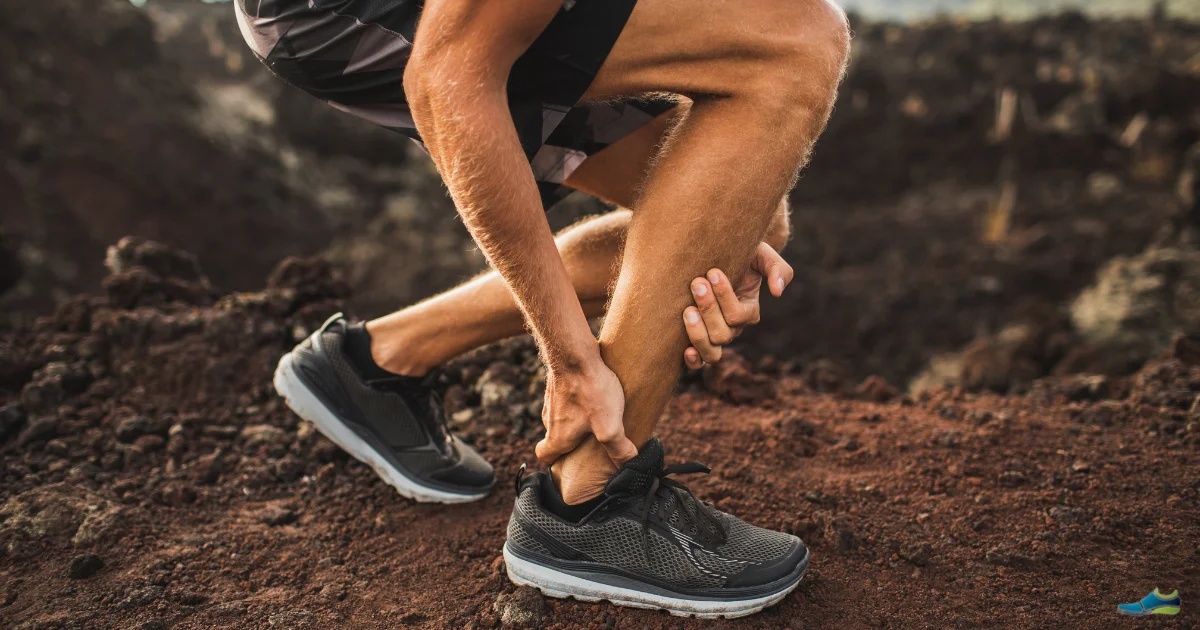
Achilles tendonitis can make something as ordinary as walking surprisingly uncomfortable, particularly when the back of your shoe is rubbing or your footwear isn’t giving you the support you need.
Shoes won’t treat Achilles tendonitis, but choosing footwear that feels stable, cushioned and comfortable around the heel can make everyday walking easier while you’re dealing with it. In this guide, I’ll look at the footwear features worth considering, along with the causes, common symptoms and when it’s sensible to get professional advice.
Proper width and heel hold make all the difference — we explain why in my Wide Fit Shoes Guide
I’ll be upfront — Achilles tendonitis isn’t one of the conditions I’ve personally dealt with, unlike a fair few of the other things I write about here. But after years of arthritis, joint replacements and trying to find footwear that works with difficult feet, I do know how much difference shoe fit can make when something hurts.
So this guide is based on research rather than my own experience with Achilles tendonitis — and I’ll keep that distinction clear throughout.
Affiliate disclosure: This article contains affiliate links. If you buy something through one of these links, I may earn a small commission at no extra cost to you.
📌 At a Glance
This guide covers the common causes and symptoms of Achilles tendonitis, what treatment may involve, and the footwear features worth looking for when the back of your heel or ankle is sore.
If you’d rather skip straight to specific questions, jump to the Q&A below.
What Is Achilles Tendonitis?
The Achilles tendon is the strong band of tissue that connects your calf muscles to your heel bone. Achilles tendonitis is a term commonly used for pain and irritation affecting this tendon.
Pain is usually felt at the back of the ankle or around the heel and may be accompanied by stiffness, tenderness or swelling. It can develop gradually, particularly after an increase or change in activity.
Although it’s often associated with runners and sport, you certainly don’t have to be an athlete to develop Achilles tendon problems. Everyday walking and other activities can also put repeated load through the tendon.
Pain around the back of the heel isn’t always caused by the Achilles tendon, though, so persistent or significant pain is worth getting properly assessed rather than trying to diagnose it from symptoms alone.
If your foot pain isn’t limited to this one condition, our Complete Guide to Foot Pain Relief walks you through all the main causes, treatments, and footwear tips to keep every step more comfortable.
Causes and Risk Factors
Achilles tendon problems often develop when the tendon is exposed to more load than it’s used to. Things that may contribute include:
- A sudden increase in activity, such as doing much more walking, running or sport than usual
- Repeated high-impact activity, particularly running and jumping
- Tight or weak calf muscles
- Changes in the way you walk or move
- Increasing age, as tendons naturally change over time
- A sudden change in footwear or activity, particularly if your feet and legs aren’t accustomed to it
Sometimes there isn’t one obvious cause, and pain around the Achilles can have more than one contributing factor.
Common Symptoms
Achilles tendon problems can cause:
- Pain or tenderness at the back of the ankle or around the heel
- Stiffness, which may be particularly noticeable after resting or first thing in the morning
- Swelling or thickening around the tendon
- Pain that becomes more noticeable during or after activity
These symptoms aren’t unique to Achilles tendonitis, and pain around the back of the heel can have other causes. If the pain is severe, persistent or came on suddenly, get it properly assessed rather than assuming it’s Achilles tendonitis.
Treatment Options
Treatment depends on what’s causing the pain and how troublesome it is, so there isn’t one approach that’s right for everyone.
Things you can do yourself
For a mild problem, it can help to:
- Reduce or modify activities that aggravate the pain rather than repeatedly pushing through it
- Wear comfortable footwear that doesn’t rub or press against the painful area
- Build activity back up gradually as things improve
If you’re unsure what exercise is appropriate, particularly stretching or strengthening an already painful tendon, it’s worth getting advice rather than simply following a generic exercise programme online.
Professional treatment
If the problem isn’t improving, a GP, physiotherapist or other appropriate healthcare professional can assess what’s causing the pain and advise on treatment.
Depending on the individual problem, this may include a structured exercise or rehabilitation programme and advice about activity and footwear. Further investigation may sometimes be needed if symptoms are persistent, severe or the diagnosis isn’t clear.
Key Features of the Best Shoes for Achilles Tendonitis
There isn’t one perfect shoe for everybody with Achilles pain. The important thing is finding footwear that feels comfortable around the back of the heel, holds your foot securely and doesn’t make your symptoms worse.
Features worth looking for include:
- A comfortable heel-to-toe drop rather than an extremely flat sole, particularly if flatter shoes aggravate your symptoms
- A secure heel fit so the shoe isn’t constantly slipping and rubbing against the back of your heel
- Cushioning underfoot for comfortable everyday walking
- Enough width and depth so the shoe fits properly without your foot being squeezed
- A stable sole and base that feels secure when you’re walking
Be wary of:
- Shoes that are noticeably uncomfortable or increase your Achilles pain
- Very flat or minimalist footwear if you’re not accustomed to wearing it
- Worn-out shoes that have lost their shape or cushioning
- Hard heel counters or seams that rub directly against the painful area
What I’d Actually Look For
Heel lifts are sometimes used as part of the management of Achilles tendon problems, and they’re certainly cheaper than buying another pair of shoes just to experiment with a different heel height.
If I were looking at one, I’d want something that sits securely inside the shoe without moving around and, just as importantly, still leaves enough room for my foot. Adding anything underneath your heel raises it inside the shoe, so a perfectly comfortable shoe can suddenly become too shallow or start slipping at the back.
I haven’t used heel lifts for Achilles tendonitis myself, so I wouldn’t tell you what height to buy or claim that they’ll be right for everybody. If you’re considering them specifically because of Achilles pain, particularly if the problem is persistent, it’s sensible to ask a physiotherapist, podiatrist or other healthcare professional whether they’re appropriate for you.
If you want to see the type of heel lift I’m talking about, here’s an example on Amazon:
Reducing the Risk of Future Problems
You can’t guarantee that Achilles pain won’t return, but some sensible habits may help:
- Increase activity gradually rather than suddenly doing far more walking, running or sport than you’re used to
- Give yourself time to recover after a significant increase in activity
- Replace badly worn footwear when it no longer feels comfortable or supportive
- Pay attention to recurring pain rather than repeatedly pushing through it
- Follow any rehabilitation or strengthening programme you’ve been given by a physiotherapist or other healthcare professional
If you’re returning to exercise after an Achilles problem, build things up gradually and use your symptoms as a reason to seek advice if things aren’t progressing as expected.
Heel pain can have several different causes. If your pain is underneath the heel rather than mainly around the Achilles, you may also find my guides to heel spurs and plantar fasciitis useful.
Achilles Tendonitis — Questions Answered
Is Achilles tendonitis the same as an Achilles tear?
No. They aren’t the same thing. Achilles tendonitis or tendinopathy generally develops gradually, whereas a tear or rupture is an injury to the tendon itself. Sudden severe pain, particularly following an injury or a popping sensation, needs prompt medical assessment.
Can I still walk with Achilles tendonitis?
That depends on how severe your symptoms are. Everyday walking may still be manageable, but repeatedly pushing through increasing pain isn’t a good idea. If walking is becoming difficult or the pain isn’t improving, get professional advice.
How long does Achilles tendonitis take to get better?
There’s no single recovery time. Achilles tendon problems can be stubborn and improvement may take weeks or months depending on the individual problem and how long it has been present.
Are flat shoes bad for Achilles tendonitis?
Not automatically. Some people find very flat footwear uncomfortable when their Achilles is painful, particularly if they’re not accustomed to wearing it. What matters is how the footwear feels and whether it aggravates your symptoms.
Can insoles or heel lifts help?
They may be useful for some people, but they aren’t automatically right for everybody with Achilles pain. They also change the way your foot sits inside the shoe, so fit needs to be considered as well. If you’re considering them specifically as part of treatment, professional advice is sensible.
Can the right shoes cure Achilles tendonitis?
No. Shoes can help with comfort and may reduce unwanted rubbing or pressure, but they don’t cure an Achilles tendon problem. Persistent pain may need assessment and a proper rehabilitation plan.
The Bottom Line
Achilles pain can make choosing shoes surprisingly difficult because something that normally feels perfectly comfortable may suddenly irritate the back of your heel.
There isn’t one “best” shoe for everybody with Achilles tendonitis. I’d concentrate on a secure fit, comfortable cushioning, enough room for your feet and — most importantly — nothing that rubs or makes the pain worse.
Heel-to-toe drop and heel lifts are worth knowing about, but I wouldn’t choose either by a number alone. If your Achilles problem is persistent, severe or keeps returning, get it properly assessed rather than expecting a particular pair of shoes or an insert to fix it.
If you are still uncertain which will be your best pick, have a read of my Complete Wide Fit Shoes Guide
Related Reading
Medical Disclaimer: This article is for general information only and isn’t a substitute for medical advice, diagnosis or treatment. If pain around your Achilles is severe, persistent or came on suddenly — particularly following an injury or a popping sensation — seek medical advice. A GP or physiotherapist can assess the problem and advise on appropriate treatment and rehabilitation.
Sources and Further Reading
- NHS inform — Achilles tendinopathy
- Royal Orthopaedic Hospital — Achilles tendinopathy
- NHS — Tendonitis
About Sue Holland
Sue writes WiderFittingShoes.com from first-hand experience of finding footwear for wide and difficult-to-fit feet. After two hip replacements, two ankle replacements and years of dealing with arthritis, swelling and feet that don’t always behave the same from one day to the next, she shares the practical things she’s learned about shoe fit, width and comfort.