Hammer toes can turn even short walks into a challenge. The bent joints rub against shoes, causing corns, blisters, and constant irritation. While exercises and other treatments can help over time, the fastest way to ease discomfort is by choosing the best shoes for hammer toes.
The right footwear makes all the difference — shoes that give your toes room to straighten, reduce painful pressure points, and cushion each step. In this guide, we’ll look at the best shoe features for hammer toes, why the wrong shoes make things worse, and how to keep your feet comfortable day to day.
Affiliate disclosure: This article contains affiliate links. If you buy something through one of these links, I may earn a small commission at no extra cost to you.
When bent toes rub inside shoes, it often leads to calluses and hard skin — here’s how to stop it happening again.
Many people find relief with wide-fit designs — see our complete wide fit shoes guide for how to pick the right style.
📌 At a Glance
All the key facts on Hammer Toes in one place — no scrolling, no searching.
Jump straight to 20 Common Questions & Answers.
Best Shoes for Hammer Toes: Why You Need a Deep Toe Box
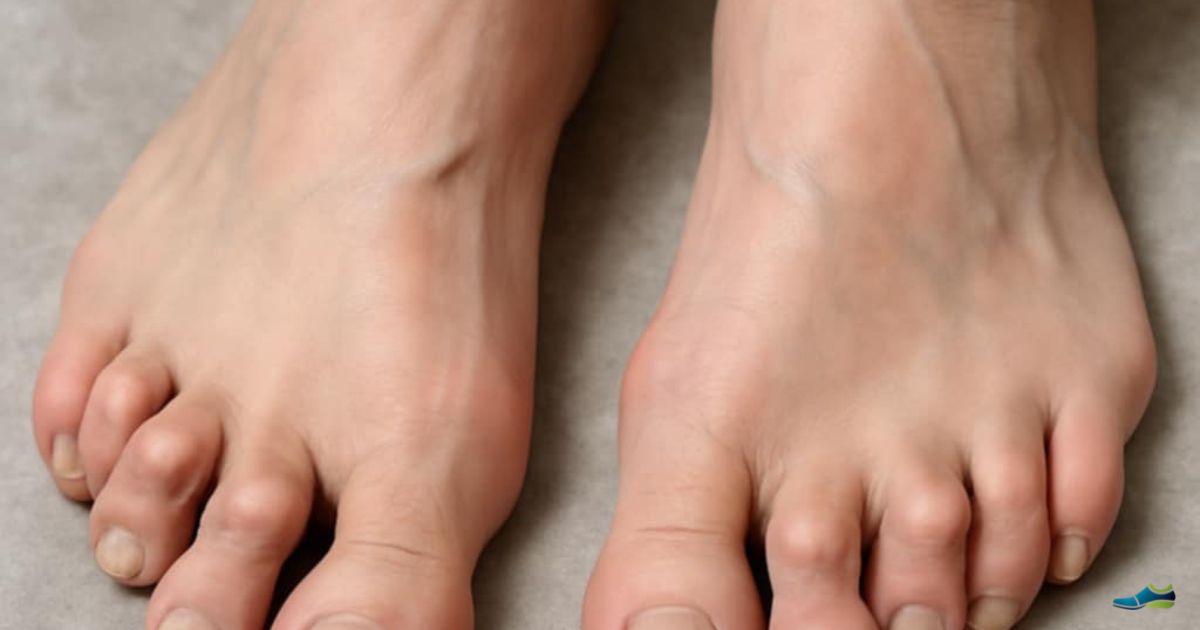
Visually, when our smaller toes develop a rigid, upward arch—causing the knuckle to protrude while the tip curls downward—this physical appearance is highly consistent with a hammer toe deformity. In my experience, the skin right over that raised knuckle can quickly become red, callused, or blistered from grinding against standard shoe linings.
While a simple imbalance in the small muscles and ligaments under your sole is a primary trigger, these painful joint updates can also share characteristics with underlying arthritis or family genetics. Forcing a curled shape into a low shoe ceiling causes intense horizontal and vertical pressure, which is exactly why finding an accommodating, deep toe box becomes a massive game-changer for daily walking comfort.
When shopping for footwear to manage joint pressure, look for features like a wide forefoot profile, low heels, and cushioned, removable insoles. For long-term foot care and relief, it is most beneficial to follow a multi-layered framework:
- Targeted Foot Exercises: Daily toe curls and towel stretches help preserve structural tendon flexibility.
- Friction Protection: Soft silicone toe sleeves shield sensitive skin from tight boundaries.
- Optimized Footwear Volume: Upgrading to deep shoes removes restrictive pressure over the raised joint profile entirely.
When shopping for shoes that ease hammer toe discomfort, focus on these features:
- Wide and deep toe box – gives your toes space to rest without rubbing against the top or sides.
- Soft, stretchable uppers – materials like leather or mesh adapt to toe shape and reduce pressure.
- Low heels – high heels force the toes downwards, making the bend worse. Stick to flats or very small heels.
- Cushioned insoles – reduce impact under the ball of the foot, where hammer toe pain often builds.
- Adjustable fastenings – laces, straps, or Velcro help fine-tune the fit so the shoe works with swelling or changing foot shape.
- Removable insoles – so you can slot in custom orthotics or metatarsal pads for extra relief.
👉 Wide-fit trainers, orthopaedic sandals with adjustable straps, and stretch-top casual shoes are often the most forgiving.
Sue’s Experience: Waldläufer Lana
I don’t have hammer toes myself, but I do have what I call “chubby toes” — my toes need plenty of room in height as well as width. One shoe I wear all the time is the Waldläufer Lana, and there are several reasons I’ve stuck with them.
They’re very supportive, but the deer leather is beautifully soft and supple, so you don’t get that stiff feeling that can make a roomy shoe uncomfortable in other ways. They’re also leather lined, which I find helps keep my feet comfortable without getting overly hot and sweaty.
One of my favourite features is the lace-and-zip combination. I can use the laces to get the fit just right, then use the zip for getting them on and off without having to undo everything each time.
The removable insoles are particularly useful for me because I wear orthotics. They give me the option of taking the original insoles out to make room for them. If my feet are swollen, I can also remove the insoles to gain some valuable extra space — both in width and in height over my toes.
They’re extremely well made, too. The slightly raised sole helps protect the leather from the sort of everyday scuffing I’d normally expect around the bottom of a shoe, and the soles themselves seem almost bulletproof. Mine have taken plenty of wear and still provide very good grip.
I can’t say how the Lana would feel on someone with hammer toes because I don’t have them. What I can say from experience is that they’re supportive, adjustable and give my deeper toes the room I need — all features worth considering when you’re trying to avoid pressure over sensitive or raised toe joints.
Check the Waldläufer Lana on Amazon
For instant relief across the knuckles, see how a shoe toe box stretcher can help create more height and comfort.
👑 Top UK Pick for Severe Hammer Toes
If your toe joints are rigid, highly raised, or rub constantly against standard shoes, standard wide-fit footwear is often not deep enough. You need extreme depth.
Cosyfeet specializes in footwear designed for troubled feet, offering an extra-wide and extra-deep fit (equivalent to a US 6E+ width). Many of their casual shoes and slippers feature stretchable front panels that gently mold over hammer toes without applying painful pressure.
- Best For: Rigid hammer toes, bunions, and thick orthotic insoles.
- Key Benefit: Seamless toe boxes to completely eliminate friction and blister risks.
- Sizing Tip: Always check the Cosyfeet sizing chart to match your personal depth measurements before ordering.
👟 Best High-Street Choice for Everyday Wear
For everyday smart-casual wear, walking, or classic styling, Clarks remains a trusted household favorite for foot health and structural support.
When shopping for hammer toes at Clarks, look specifically for their Women’s Wide Fit (E Fit) or Extra Wide Fit (EE Fit) selections made from premium, unstructured leather. Unstructured leather is highly flexible and can be easily broken in or stretched at home using a toe box stretcher to give your joints customized clearance.
- Best For: Mild or flexible hammer toes and daily walking.
- Key Benefit: Contoured underfoot cushioning to relieve pressure on the ball of the foot.
- Sizing Tip: Make sure to filter specifically for ‘E’ or ‘EE’ fits on the Clarks website to ensure your toes have the lateral room they need.
Why the Wrong Shoes Make Hammer Toes Worse
Utilizing footwear that features an excessively narrow profile, shallow upper depth, or rigid, stiff materials can easily exacerbate foot discomfort. Visually, these restrictive designs frequently force the raised joint against the internal roof of the shoe, resulting in painful friction corns or blisters, contributing to localized pressure spikes, and worsening joint soreness and fluid-heavy swelling.
Managing these structural variations comfortably typically requires a multi-layered framework of care. While utilizing protective silicone shielding pads and performing gentle daily toe stretches are highly beneficial, upgrading to shoes engineered with specialized width and deep volume remains an essential factor in protecting overall foot health.
This is why choosing shoes designed for comfort and width isn’t a luxury — it’s a must for anyone with hammer toes.
Causes of Hammer Toes
Hammer toes don’t just appear overnight. They develop over time, often from:
Structural adjustments in the toe joints rarely materialize overnight. Over time, physical changes in joint alignment are frequently consistent with a combination of underlying factors, including repeatedly wearing narrow, tapered toe-box footwear or high-heeled styles that force body weight forward. Natural muscle or tendon imbalances that alter how the foot distributes weight, as well as co-existing foot profiles—such as a prominent bunion shape, flat feet, or exceptionally high arches—also heavily modify overall toe mechanics. Localized structural joint changes related to conditions like arthritis or inherited genetic traits also frequently present across family lines.
Hammer toes and bunions often go hand-in-hand — bunion pressure can worsen toe curling and joint discomfort.
Symptoms to Look Out For
- Toes bent at the middle joint.
- Pain or irritation when wearing shoes.
- Corns and calluses on the tops of toes or under the ball of the foot.
- Swelling or redness around the affected joint.
- Difficulty straightening the toes fully.
At-Home Care and Relief
Shoes make the biggest difference day to day, but you can also support your feet by:
- Toe exercises – gently stretching and strengthening the toes to slow progression.
- Toe spacers or pads – to reduce rubbing between toes.
- Soaking feet – warm water baths with Epsom salts help ease soreness.
- Protective padding – cushioned plasters over corns or pressure spots.
- Using a shoe toe box stretcher – this can lift the toe box slightly and reduce pressure on bent toes.
When to Seek Professional Help
See a podiatrist if:
- Pain persists even after switching footwear.
- Corns and calluses return quickly.
- Toes become rigid and won’t straighten.
- You have diabetes or circulation issues (higher infection risk).
Surgery is sometimes recommended in severe or rigid cases, but for many people, shoes remain the first and most effective line of defence.
Living Well With Hammer Toes
Hammer toes don’t mean giving up stylish or supportive footwear. With today’s options, you can find shoes that look good and give relief. The right pair can mean the difference between avoiding outings due to foot pain and walking comfortably throughout the day.
Some fashionable shoes may look great but can cause serious discomfort if worn for long periods. It’s wise to prioritise foot health and save narrow dress shoes for very short occasions—if at all.
Many retailers now offer virtual fitting tools or sizing charts to help guide your purchase. If you’re between sizes, it’s usually best to go half a size up to avoid toe crowding.
For overall advice on easing foot discomfort and improving mobility, visit our Complete Guide to Foot Pain Relief.
📘 If hammer toes are just one part of a wider fit struggle, you’re not alone — I’ve written a full, honest account of everything that’s genuinely helped me in The Wide Fit Shoe Survival Guide.
20 Questions on Hammer Toes
Q: How do you define hammer toes in simple terms?
A: Hammer toes are toe deformities where one or more toes bend downward at the middle joint, creating a hammer-like shape.
Q: What usually causes hammer toes to form?
A: They can develop from wearing tight shoes, muscle imbalance, genetics, or conditions like arthritis.
Q: Are hammer toes painful?
A: Not always, but they can become painful if corns, calluses, or pressure from shoes develop.
Q: Can hammer toes be corrected without surgery?
A: Yes, in early stages. Stretching, toe exercises, splints, and wide-fitting shoes often help.
Q: Which shoe features help relieve hammer toe pain?
A: Wide-fit shoes with deep toe boxes, soft uppers, and cushioning are best to relieve pressure.
Q: Are sandals good for hammer toes?
A: Supportive sandals with adjustable straps and open fronts can be very comfortable, as long as they provide stability.
Q: Can orthotics help hammer toes?
A: Yes. Custom or off-the-shelf orthotics can reduce pressure and improve foot alignment.
Q: Do hammer toes get worse with time?
A: Without treatment or proper footwear, they often stiffen and become more painful.
Q: Can exercises improve hammer toes?
A: Toe stretches, towel scrunches, and picking up objects with toes can help maintain flexibility.
Q: Are hammer toes permanent?
A: Mild, flexible hammer toes can sometimes be improved, but severe or rigid ones usually require surgery.
Q: What’s the difference between hammer toes and claw toes?
A: Hammer toes bend at the middle joint, while claw toes curl at both the middle and end joints.
Q: Do high heels cause hammer toes?
A: High heels with narrow toe boxes increase risk by pushing toes into unnatural positions.
Q: How do I prevent hammer toes from getting worse?
A: Wear wide shoes, avoid high heels, use orthotics, and keep toes flexible with exercises.
Q: Can children develop hammer toes?
A: Yes, though it’s less common. Genetics and muscle imbalances can cause early onset.
Q: Do hammer toes only affect the second toe?
A: They most commonly affect the second toe, but any of the smaller toes can develop the condition.
Q: Can hammer toes cause balance problems?
A: Yes, severe cases may alter walking patterns and reduce stability.
Q: Do toe splints work for hammer toes?
A: They can help in early, flexible cases but won’t correct rigid hammer toes.
Q: When is surgery needed for hammer toes?
A: Surgery is considered if pain is severe, deformity is rigid, or conservative measures fail.
Q: How long is recovery from hammer toe surgery?
A: Recovery usually takes 4–6 weeks, though swelling may last longer.
Q: Are hammer toes linked to bunions?
A: Yes, bunions can push the second toe out of alignment, leading to hammer toes.
📌 Summary
Hammer toes can be painful and frustrating, but the right footwear offers real relief. Look for wide, cushioned shoes with deep toe boxes and soft uppers. Combine that with protective pads, toe exercises, and professional advice when needed, and you’ll keep discomfort under control.
If you would benefit from some further information, my Wide Fit Shoes Guide is very helpful.
Medical Disclaimer: The practical guidance, lived experiences, and foot health information shared on WiderFittingShoes.com are intended strictly for general informational and educational purposes. They do not constitute professional medical advice, diagnosis, or targeted clinical treatment plans. Foot anatomy varies, and individual health factors can drastically alter your specific footwear requirements. Always double-check physical product labels, width letters, and manufacturer material specifications before making a purchase. Please consult your GP, a qualified podiatrist, or your orthopedic consultant for persistent foot pain, severe joint deformities, or personalized post-surgical recovery plans.