
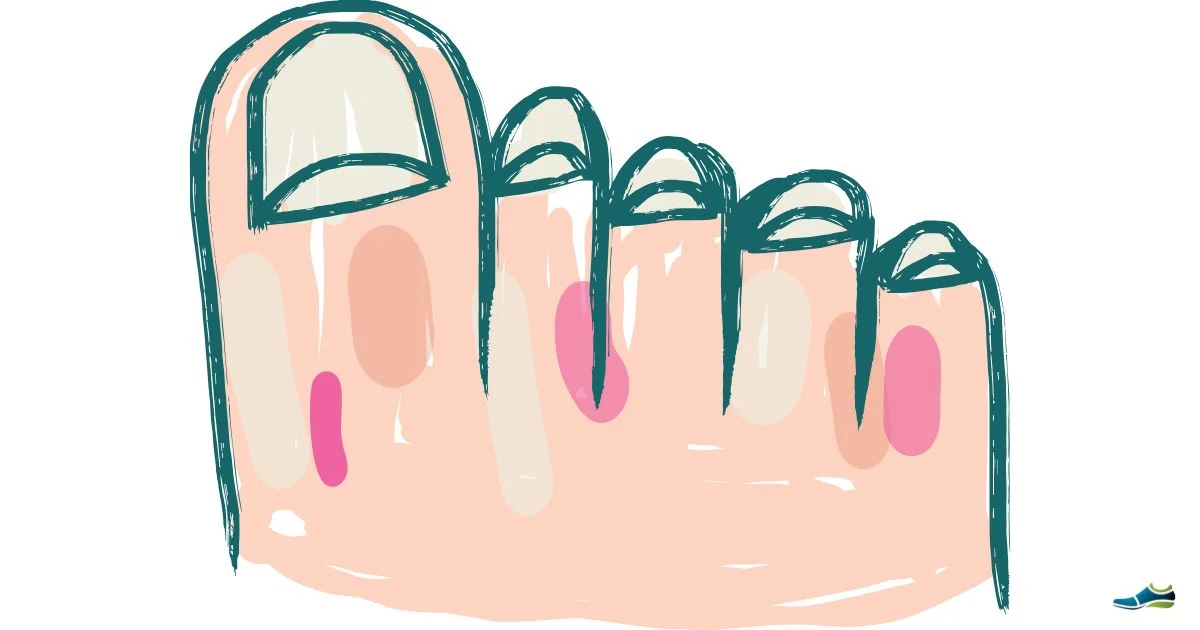
Hammer toes can make wearing shoes a real challenge—especially if the top of your toes rub uncomfortably against the inside of the shoe. I have had a similar experience with toe rubbing because my toes are quite chunky (for want of a better term)
One of the simplest and most effective solutions is increasing the height of the toe box with a shoe toe box stretcher.
This stretching can make a huge difference to comfort and mobility, giving your toes some much-needed breathing room without splashing out on custom made shoes.
If you have quite a few pairs of shoes, it is definitely worth buying a toe box stretcher / raiser, I say this because to be honest the shoe toe box stretcher / raiser devices are not cheap, nor are they easy to find.
Today, finding a genuine toe box stretcher can be more difficult than it was when I first wrote this article. They’re no longer commonly available through Amazon in the UK, so you may need to buy direct from the manufacturer or a specialist supplier if stock is available.
The good news is that they still do exactly what they were designed to do—create extra headroom above your toes rather than simply making the shoe wider.
What Is the Toe Box and Why Does Height Matter?
The toe box is simply the front section of the shoe that houses your toes. While horizontal width gets a lot of attention, vertical height is just as critical for daily walking comfort.
Foot problems such as hammer toes, claw toes or mallet toes can leave raised areas of the toes rubbing against the inside of a shallow shoe. Wearing orthotics can also reduce the amount of space above your toes by lifting your foot higher inside the shoe.
Many people search for a “toe box stretcher” when what they’re really looking for is a way to create more room above their toes. A toe box stretcher (sometimes called a toe box raiser) works differently from an ordinary shoe stretcher because it increases the height of the shoe rather than its width.
How Does a Taller Toe Box Help Hammer Toes?
When the toe box is too shallow, it compresses the raised joints of hammer toes, causing:
- Skin irritation and corns on the knuckles of your toes
- Inflammation or swelling
- Difficulty walking or standing for long periods
Stretching the height of the toe box can create more room above raised toes, reducing the amount of rubbing and pressure from the upper. If the shoe fits well everywhere else, that extra bit of height may make it considerably more comfortable to wear.
If your shoes are generally comfortable but only feel tight over the tops of your toes, a toe box stretcher can be an excellent solution. If the whole shoe feels tight, however, stretching may not be enough and choosing footwear with a naturally higher volume toe box is often the better long-term answer.
If bunion pressure is also a problem, wider toe boxes and stretchers can help reduce rubbing — see our bunion guide for more tips.
How to Stretch a Shoe’s Toe Box
Unlike traditional shoe stretching (which usually focuses on width or length), stretching the height of the toe box requires a specific tool and method. Here’s how to do it:
1. Use a Toe Raiser or High Toe Box Stretcher
These specialist devices are shaped to fit the forefoot of a shoe and are adjustable vertically. They lift the top of the toe box area gently over time. Look for wooden or metal models for durability, and make sure they are designed for vertical toe clearance, not just width, (they typically look like a beak).
Some shoes may need two, or even three goes depending on the amount of extra room required. Don’t be disappointed if the first attempt isn’t quite enough. It’s better to make small adjustments and check the fit between attempts rather than trying to stretch too much at once.
2. Apply Shoe Stretching Spray
A shoe stretching spray can help soften suitable materials and make them easier to stretch. Apply it according to the manufacturer’s instructions before inserting the stretcher, and check that the spray is suitable for the material first. Leather, suede and nubuck may all need slightly different treatment.
Check out my article on Shoe Stretcher Spray
Best Types of Shoes to Stretch
Shoes made from materials that may have some potential to stretch include:
- Leather dress shoes and boots
- Canvas trainers
- Soft suede or nubuck shoes
Avoid trying to stretch plastic, stiff synthetics, or shoes with a hard internal cap over the toe box, as they won’t give and could crack, split or crease. Certainly do NOT attempt steel toe capped footwear as you are likely to damage the shoe stretcher.
Worth being clear on one distinction: “work shoes” isn’t automatically off-limits. If your work shoes are genuine leather without a steel or composite safety cap, they can generally be stretched the same way as any other leather shoe. It’s specifically the reinforced protective toe cap that can’t give, not the fact that they’re work shoes.
When a Toe Box Stretcher Isn’t Enough
Sometimes, even a specialist toe box stretcher can’t completely solve the problem. If your shoes are too narrow, too shallow or simply the wrong shape for your feet, stretching can only achieve so much.
In those situations, you’re usually better off choosing shoes with enough width and internal depth from the start. Modern high-volume toe boxes often provide the extra toe clearance many people need without modifying the shoe at all.
Additional Tips for Hammer Toe Comfort
- Use silicone toe caps or soft sleeves to cushion toe knuckles
- Choose shoes with adjustable closures to reduce pressure
- If more stretching is needed, make small adjustments over several attempts rather than trying to gain all the extra height at once.
If a shoe fits well everywhere else but is simply too shallow above your toes, increasing the toe-box height may be enough to make it more comfortable. If the shoe is too narrow, too short or fundamentally the wrong shape, however, a stretcher can only do so much.
For a deeper understanding of foot pain and relief options, read our Complete Guide to Foot Pain Relief.
Frequently Asked Questions
Q: Can I stretch the height of any shoe?
A: Not all shoes are suitable for stretching. Leather, canvas and suede may have some potential to stretch, while stiff synthetic materials and shoes with reinforced toe caps are unlikely to respond well to vertical stretching.
Q: How long should I leave the toe box stretcher in?
A: Follow the instructions supplied with your stretcher and check the shoe periodically rather than assuming longer is always better. If you need more height, several small adjustments are preferable to trying to stretch too much in one go.
Q: Will a toe box stretcher fix my hammer toe?
A: No. A toe box stretcher doesn’t change the shape of your toes or treat the underlying problem. What it can do is create more room above them, which may reduce rubbing and pressure from the shoe.
Q: Do I need to use shoe stretch spray?
A: Not necessarily. A stretching spray may help soften suitable materials, but check that it’s appropriate for your particular shoes and follow the manufacturer’s instructions.
In Summary
I would usually provide a choice of products here, but genuine toe-box raisers are surprisingly difficult to find in the UK. The few I’ve found tend either to be unavailable or considerably more expensive and aimed more at professional use.
Update: my usual recommendation, the FootFitter Professional Toe Box Raiser, is currently unavailable from the sources I’ve checked, including FootFitter’s own website. I’ve written more about it, including what to look for if you’re trying to find an alternative, in my full FootFitter review. I’ll update both pages if I find a genuine toe-box raiser available again.
Please note that I always use Foot Matters shoe stretcher spray. I particularly like this one as it is very effective and it has never left any water marks on either my suede or nubuck shoes, and is often available in multipacks.
Medical disclaimer: This article is based on my personal experience and is for general information only. It isn’t a substitute for medical advice. If you have persistent or worsening foot pain or swelling, or you’re concerned about your symptoms, speak to your GP, podiatrist or another appropriate healthcare professional.
About Sue Holland
Sue writes WiderFittingShoes.com from first-hand experience of finding footwear for wide and difficult-to-fit feet. After two hip replacements, two ankle replacements and years of dealing with arthritis, swelling and feet that don’t always behave the same from one day to the next, she shares the practical things she’s learned about shoe fit, width and comfort.