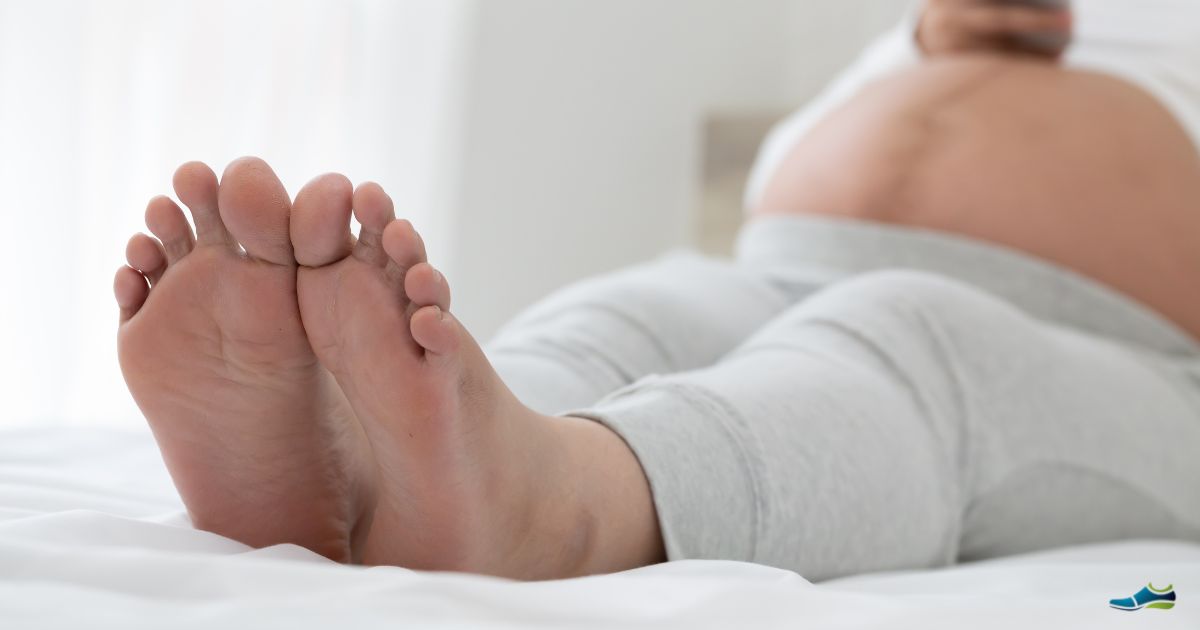
Pregnancy transforms your body in remarkable ways, and your feet are no exception. As your bump grows, you may start noticing swelling, soreness, and even a change in shoe size.
These changes are common, and shoes that fitted comfortably before pregnancy can suddenly start to feel tight or uncomfortable.
That’s why choosing shoes with enough room, adjustability and support can make such a difference to everyday comfort during pregnancy.
The best shoes for pregnant women with swollen feet (oedema) don’t have to be frumpy, there are plenty of lovely styles available nowadays. (I have a dedicated post about oedema that you can read)
In this guide, we’ll explore why foot changes happen, what features to look for in pregnancy shoes, and how to shop wisely as your needs evolve.
Top Features to Look For in Maternity Footwear
Wide fit shoes are a great starting point, but there are a few more features that can dramatically boost comfort and support:
- Adjustable design: Velcro straps, elastic panels, or laces allow you to adapt the fit as your feet change daily.
- Comfortable support: Look for shoes that feel supportive and stable underfoot. If you already use insoles or orthotics, make sure the shoes have enough room to accommodate them comfortably.
- Cushioned footbed: A comfortable, cushioned sole can make walking and standing more pleasant, particularly when your feet are feeling tired.
- Non-slip soles: Grippy outsoles provide extra traction—important if you feel unsteady or are navigating slippery surfaces.
- Breathable uppers: Materials like mesh or soft leather help manage heat and sweat during warmer months.
Best Shoe Styles for Pregnant Feet
Some styles naturally lend themselves to the wide fit, comfort-first approach. Consider these types for different scenarios:
- Wide fit trainers: A practical option for walking and everyday wear; look for enough toe room, cushioning and an adjustable fastening.
- Adjustable sandals: Useful in warmer weather, particularly if straps can be altered as your feet swell.
- Roomy slippers: Look for enough space around the toes and a secure sole rather than something loose that slides around on your foot.
- Stretchable flats: Soft, flexible uppers can accommodate small changes in foot volume, but make sure they don’t grip tightly around the edges.
- Low-heeled boots: Look for a stable sole, enough room around the foot and ankle, and a fastening that’s easy to adjust.
Shoes Worth Considering as Your Feet Change
There isn’t one perfect pregnancy shoe because feet can change very differently from one woman to another. You may need more width, more adjustability, or simply something you can get on without bending down and fighting with the laces. I haven’t personally tested the shoes below during pregnancy, so I’m comparing the manufacturers’ published fit and features rather than pretending I’ve worn them.
If bending down is becoming a nuisance – Skechers GO WALK Flex Grand Entry
Skechers’ GO WALK Flex Grand Entry is part of its Hands Free Slip-ins range, so you can step into the shoe without pulling it on at the heel. It’s also available in a wide fitting. That combination could be particularly useful later in pregnancy when bending down to deal with laces becomes increasingly awkward.
If swelling means you need considerably more room – Cosyfeet Venga
Cosyfeet’s Venga is a much roomier option, with a 6E fitting, extra depth and an adjustable elasticated toggle fastening. The flexible mesh upper and adjustable fastening make it worth considering if ordinary wide-fit trainers simply don’t give swollen feet enough room.
If you want an adjustable everyday shoe – EasyFit Extra-Wide Adjustable Shoes
Pavers’ EasyFit range includes shoes with adjustable fastenings and wider fitting options. That adjustability can be useful when a shoe feels comfortable in the morning but noticeably tighter later in the day.
For warmer weather – Clarks Kitly Ave wide-fit adjustable sandals
The Clarks Kitly Ave is available in an E wide fitting and has adjustable straps, giving you some flexibility if your feet change during the day. Its open-toe design also makes it a practical option for warmer weather.
Whichever style you choose, don’t buy purely by the width label. Measure your feet, check that particular manufacturer’s sizing information and make sure there is enough room without the shoe becoming loose or unstable.
Why Wide Fit Shoes Are Ideal for Pregnancy
During pregnancy, swelling and changes in foot shape can make shoes that previously fitted well feel surprisingly tight. If you need more room across the forefoot or around your toes, a wider fitting can be much more comfortable. The important thing is choosing a shoe that fits your feet as they are now rather than squeezing into your usual size or width.
- More room where you need it: If your forefoot has become wider or swollen, the right wide fitting can reduce squeezing and rubbing.
- More comfortable for longer wear: Enough room around swollen or wider areas can help avoid the rubbing and pressure that make shoes uncomfortable as the day goes on.
Why Do Feet Change During Pregnancy?
Pregnancy can affect your feet in several ways. Swelling can make them temporarily larger, while changes in body weight and the ligaments that support your feet can also alter how they feel and fit inside your usual shoes. Some women notice that their feet become longer or wider during pregnancy, and those changes don’t always disappear completely afterwards.
When Might You Need Roomier Shoes?
There’s no particular stage of pregnancy when you should switch shoes. If your usual shoes start feeling tight, leave pressure marks or become uncomfortable as the day goes on, it’s worth measuring your feet again and reassessing the fit. You may need a wider fitting, a different size, more adjustability — or simply a shoe with a shape that suits your changing feet better.
How to Size Your Feet During Pregnancy
Your usual shoe size may not tell the whole story during pregnancy, particularly if your feet are swollen or their shape has changed. Rather than automatically buying a larger size, measure your feet and check the sizing information for the shoes you’re considering.
- Measure when you’re likely to wear the shoes. If your feet tend to swell later in the day, it’s worth checking the fit then as well as when swelling is lower.
- Follow the manufacturer’s sizing guide. Brands measure width and fit differently, so use the measurements they ask for rather than relying on a generic width chart.
- Try shoes on with the socks or hosiery you intend to wear most often.
- Fit the larger foot. If one foot is bigger than the other, make sure the shoe comfortably accommodates the larger one.
Post-Pregnancy Footwear Tips
Some changes in your feet may settle after pregnancy, particularly as swelling reduces, while changes in foot length, width or arch shape can sometimes persist. Don’t assume you’ll automatically return to your old shoe size. Once things have settled, measure your feet again and choose shoes based on the size and shape they are now.
Conclusion
Pregnancy can change how your usual shoes fit, sometimes from one day to the next. The answer isn’t necessarily to buy a bigger shoe or automatically switch to a wide fitting — it’s to give your feet the room they need and choose something comfortable, adjustable and stable enough for everyday wear. And thankfully, roomy shoes for pregnant feet don’t have to be dowdy.
A special note from Sue
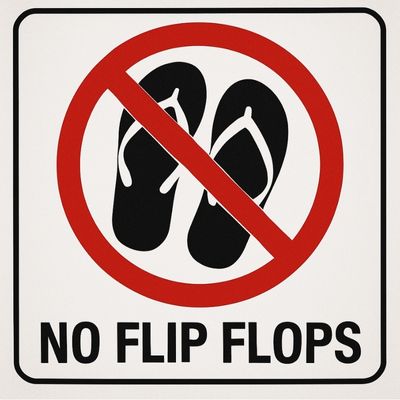
When I had my first child, I was kept in hospital for 22 weeks and the only footwear that went anywhere near my elephant-like feet was a pair of oversized flip-flops. My sister brought them in out of sheer desperation. They weren’t supportive at all and my feet resembled proving dough.
Looking back, I wish I’d had a comfortable, adjustable pair of shoes ready for the possibility that my feet might swell that much. Flip-flops got me out of trouble because they were literally all I could get on, but they wouldn’t be my first choice for everyday footwear.
If your feet are already starting to swell, my advice from experience is not to wait until none of your normal shoes fit. Having something roomy and adjustable available beforehand can save you the same last-minute scramble my sister and I had.
Frequently Asked Questions
Q: Do feet always get bigger during pregnancy?
A: No. Some women notice changes in the length, width or shape of their feet during pregnancy, while others don’t. Swelling can also make shoes temporarily feel smaller even if your actual shoe size hasn’t changed.
Q: Should I go up a full shoe size?
A: Not automatically. If your shoes have become tight, measure your feet and check the manufacturer’s sizing guide. You may need a different size, a wider fitting or simply a shoe with more room and adjustability.
Medical disclaimer: This article is for general information and isn’t a substitute for medical advice. If you have a sudden increase in swelling during pregnancy, particularly in your face, hands or feet, or symptoms such as a severe headache, vision problems or pain below your ribs, contact your midwife or maternity unit immediately.
About Sue Holland
Sue writes WiderFittingShoes.com from first-hand experience of finding footwear for wide and difficult-to-fit feet. After two hip replacements, two ankle replacements and years of dealing with arthritis, swelling and feet that don’t always behave the same from one day to the next, she shares the practical things she’s learned about shoe fit, width and comfort.